The U.S. Senate has officially confirmed Jared Isaacman, a billionaire entrepreneur and private astronaut, as the new NASA administrator. The 67-30 vote ends a period of over a year of leadership uncertainty at the space agency, which has operated under temporary leadership.
A Unique Background for NASA’s Top Job
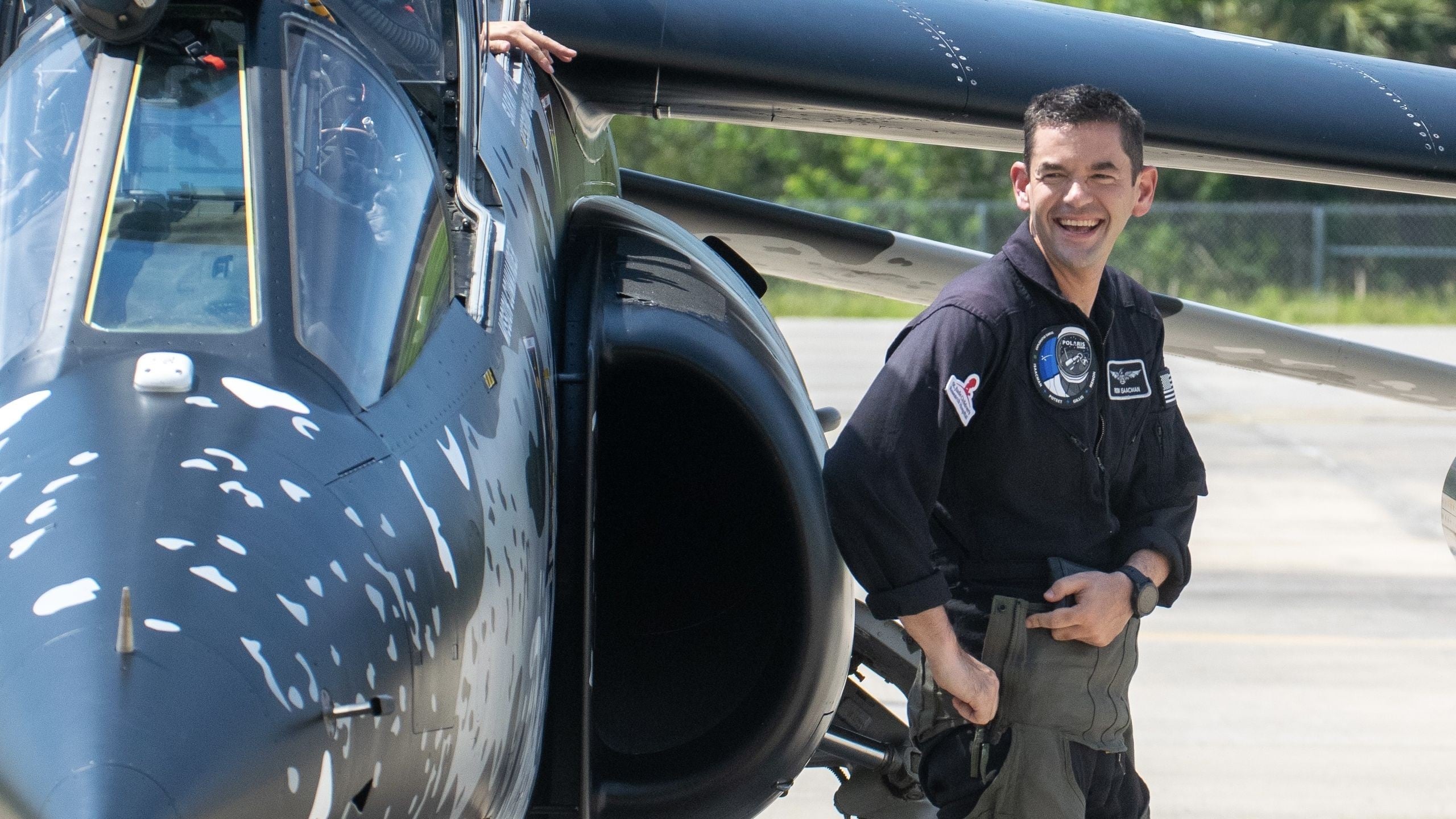
Isaacman, 42, is the founder of Shift4, a payment processing company, and has personally flown on two privately funded SpaceX missions: Inspiration4 and Polaris Dawn. Polaris Dawn marked the first private astronaut mission to Earth orbit and the first civilian spacewalk, highlighting Isaacman’s direct involvement in the burgeoning commercial space sector.
The confirmation process wasn’t without scrutiny. Some lawmakers raised concerns about Isaacman’s ties to SpaceX CEO Elon Musk, suggesting potential conflicts of interest. However, support from much of the space community ultimately outweighed those reservations.
A Rocky Road to Confirmation
Isaacman’s path to NASA’s top position has been anything but smooth. He was initially nominated by former President Trump in December 2024, but the nomination was abruptly withdrawn in May, leaving the agency under indefinite interim leadership. This reversal occurred amidst a public dispute between Trump and Musk, with Trump citing Isaacman’s lack of prior Republican financial support as a reason for the withdrawal.
Isaacman resurfaced after a leaked 62-page internal document, dubbed “Project Athena,” outlined his vision for a more streamlined NASA. Trump then re-nominated him in November, setting the stage for today’s Senate vote.
Navigating Budget Cuts and Shifting Priorities
Isaacman’s confirmation comes as NASA faces significant budget pressures. President Trump’s proposed fiscal year 2026 budget includes a nearly 25% cut to NASA’s overall funding and a 47% reduction in science programs. Despite these proposed cuts, Isaacman voiced support for key administration priorities during his Senate hearings, including a renewed focus on lunar landings before China and eventual human missions to Mars.
Sen. Maria Cantwell, a key supporter, emphasized Isaacman’s commitment to cultivating a strong STEM pipeline to support NASA’s long-term goals. Congress is currently working to restore NASA funding to previous levels, but a final agreement has yet to be reached.
Isaacman’s appointment signals a clear shift towards greater private sector integration within NASA, a trend that will likely redefine the agency’s future direction. His unique background as both a businessman and an astronaut positions him to navigate the complex challenges of funding, innovation, and geopolitical competition in the evolving space landscape.