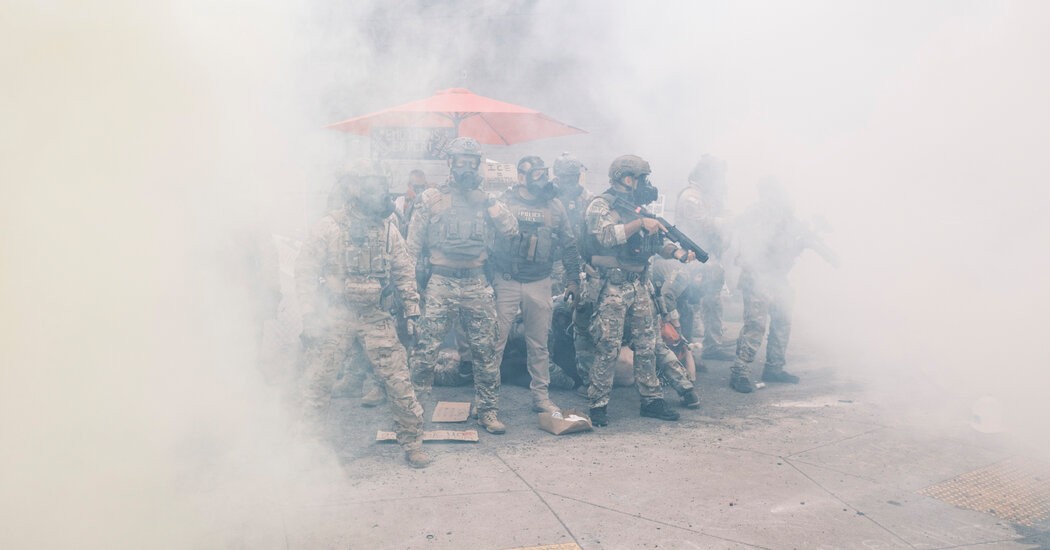
Residents of an affordable housing complex in Portland, Oregon, are taking legal action against the federal government, alleging that repeated tear gas deployments by Immigration and Customs Enforcement (ICE) agents have created a toxic environment within their homes. The lawsuit claims that ICE’s use of chemical munitions poses a serious and ongoing health risk to civilians, including children, who are exposed to lingering residue on surfaces like walls, furniture, and even toys.
Chronic Exposure and Health Concerns
Mindy King, a plaintiff in the case, reports that she and her 13-year-old son now wear gas masks indoors due to the frequent tear gas releases near their apartment. Another resident, Diane Moreno, has required urgent medical care twice for respiratory distress and bloody nosebleeds. These cases highlight the immediate physical effects of exposure: severe irritation, breathing difficulties, and chemical burns. The lawsuit goes further, asserting that the U.S. government is deliberately exposing its citizens to harmful substances.
Unusual Legal Focus
Legal experts note this case is atypical because it centers on public health and environmental damage rather than traditional civil rights or police misconduct claims. The plaintiffs argue that the ongoing chemical contamination constitutes a deliberate poisoning of residential areas. The lawsuit also alleges that federal agents have, at times, deployed tear gas not to control crowds, but to stage dramatic scenes for conservative media figures who have been invited to the facility.
Upcoming Court Hearing
A hearing is scheduled for Friday where plaintiffs will seek an injunction to halt further chemical deployments. The case raises critical questions about the permissible use of tear gas near civilian populations, and whether intentional exposure to toxic substances constitutes a violation of public health standards.
The lawsuit’s core argument is that ICE’s actions have knowingly created a hazardous living environment, and the government must be held accountable for the resulting harm. If successful, this case could set a precedent for future litigation against law enforcement agencies that deploy chemical weapons in densely populated areas.
The outcome of this lawsuit will likely determine whether the federal government will be required to mitigate the environmental impact of its tear gas use and ensure the safety of communities living near ICE facilities.