


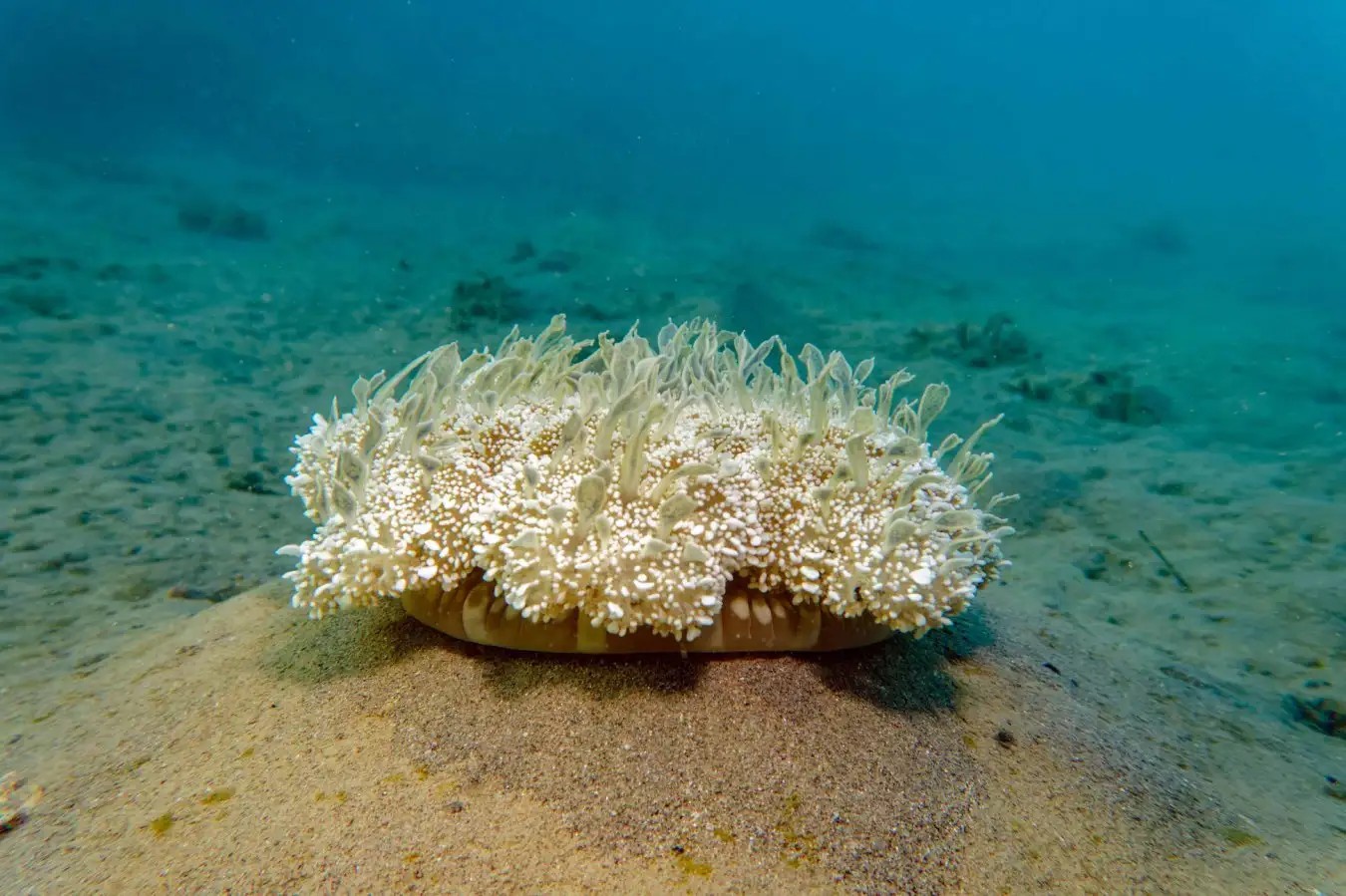
Jellyfish exhibit surprisingly human-like sleep patterns, resting approximately eight hours daily with midday naps and increased sleep after disruption – a discovery that sheds light on why sleep evolved in the first place. This finding suggests sleep isn’t exclusive to complex brains but may have originated in simpler nervous systems of early marine life.
The Unexpected Sleep Habits of Brainless Creatures
For decades, sleep was considered a necessity tied to the complex brains of mammals, aiding memory consolidation and waste removal. But jellyfish, belonging to the brainless cnidarian group, challenge this assumption. Researchers at Bar-Ilan University in Israel observed Cassiopea andromeda, an upside-down jellyfish species, over a 24-hour cycle.
The team used cameras to track behavior under simulated day-night conditions. During “daylight,” jellyfish pulsed their bodies actively (over 37 times per minute) and responded quickly to stimuli. At night, pulsations slowed, and reactions lagged, clearly indicating a sleep state. This pulsing behavior helps the jellyfish feed and circulate oxygen.
Sleep Deprivation and Recovery
Like humans, these jellyfish adjust their sleep schedule based on prior rest. When researchers artificially disrupted their sleep with water pulses, the jellyfish slept more the following day.
“This is like us: if we’re sleep deprived during the night, we sleep during the day because we’re tired,” says lead researcher Lior Appelbaum.
The Evolutionary Link Between Sleep and DNA Repair
The most significant revelation: sleep appears to play a role in DNA repair. Researchers found that DNA damage accumulates in jellyfish neurons during wakefulness, but sleep reduces this damage. When they artificially increased DNA damage with UV light, the jellyfish slept longer.
This suggests that sleep isn’t merely a restorative process for the brain, but a fundamental mechanism for maintaining neural health – possibly the very reason it evolved in early marine organisms. Further studies confirmed similar sleep patterns in starlet sea anemones, marking the first evidence of sleep in this species.
The discovery highlights that sleep may be far more primitive and essential than previously thought. Further research is needed to determine if these DNA-repair mechanisms apply to other species, including mammals, but the findings already offer a new perspective on why all animals sleep.


