


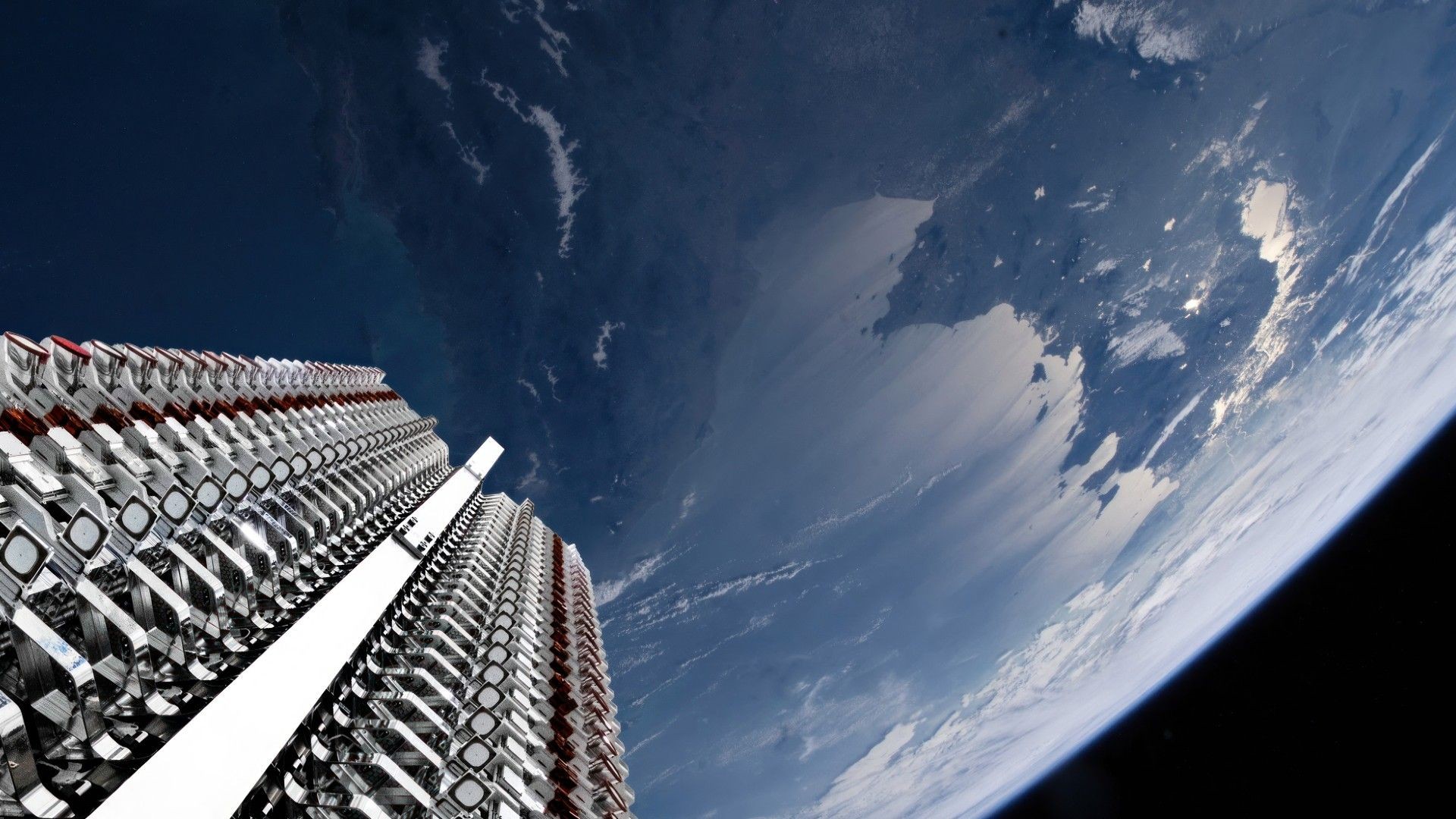
Modern life depends on unseen networks stretching from space to the ocean floor. These systems – including over 15,000 active satellites and hundreds of submarine cables – underpin everything from banking and weather forecasting to global trade and military operations. Experts warn that this infrastructure is increasingly vulnerable, with technology advancing faster than the safeguards meant to protect it. This mismatch raises concerns about long-term stability and the potential for geopolitical conflict.
The Fragile Web of Global Dependence
The sheer scale of our reliance on these systems is often underestimated. SpaceX’s Starlink alone operates over 9,500 satellites, and if all proposed expansions proceed, the number could reach 500,000 by the late 2030s. Combined with the roughly 600 submarine cables that connect continents, these lifelines are essential but surprisingly exposed.
Jessica Rosenworcel, former chairwoman of the U.S. Federal Communications Commission, highlights this reality: “We don’t think about them very often… and they’re both extraordinarily vulnerable.” Satellites face risks from space debris, cyberattacks, and extreme space weather, while underwater cables are susceptible to accidental damage from marine life or deliberate sabotage, as seen in recent attacks disrupting internet access in Asia and the Middle East.
Cybersecurity and Physical Vulnerabilities
Cybersecurity threats are already escalating. A thwarted cyberattack on Poland’s energy grid last December, linked to Russian intelligence, could have left hundreds of thousands without heat. NASA averages one cybersecurity incident per day, and the European Space Agency (ESA) investigated a data breach that exposed proprietary software and internal documentation.
Robert Lee, CEO of Dragos, points out that critical infrastructure is “massively underinvested” in cybersecurity resilience. State-backed actors have penetrated systems with the intent to cause physical harm, underscoring the severity of the threat. The interconnected nature of these systems means ignoring “very-real scenarios” could lead to widespread societal disruption.
Innovation, Regulation, and Defense
Despite the risks, effective defense is achievable. Rapid satellite constellation growth can improve redundancy, but also increases congestion and collision risks. The problem is that technological development often outpaces international laws and regulations. Rafal Modrzewski, CEO of ICEYE, notes this discrepancy: “It is a problem that we will have to address as a community.”
New technologies are emerging to mitigate these threats. ICEYE recently secured a €1.7 billion contract to build a 40-satellite radar constellation, while AI is being used to identify vulnerabilities in spacecraft communication links. Companies like Atomic-6 are developing “space armor” to protect onboard communications. Over 100 countries have signed the Zero Debris Charter to address space junk.
The Future of Infrastructure Security
The key takeaway is that these efforts are just the beginning. ESA Director General Josef Aschbacher stresses that “we are on Day 1. A lot more needs to be done.” The rapid evolution of space-based data, such as ICEYE’s real-time flooding assessments, demonstrates the potential of this infrastructure. The future will see even greater reliance on autonomous systems and AI-driven defenses.
Ultimately, the challenge lies in balancing innovation with robust security measures. As Modrzewski encourages: “Go and do it… Solve the problems that are out there, and let’s make this world a better place.”
The vulnerabilities of global infrastructure are real and growing. Proactive investment in cybersecurity, international cooperation, and responsible technological development are essential to ensure the continued stability of modern society.


