California’s Medicaid program is now providing a critical support system for individuals released from prison, helping them rebuild their lives by addressing underlying health issues that often contribute to recidivism. The program offers a lifeline to those who, like Jon DeSantis, 37, find themselves with no job, housing, or social support upon release.
The Challenges of Reentry
For many former inmates, returning to society is a brutal cycle of instability. Mr. DeSantis, who served six months for assault, faced the loss of his apartment, his job, and even his vehicle – a custom-built F-250 pickup essential to his trade as a carpenter. Without resources or a safety net, many ex-offenders quickly relapse into behaviors that lead them back into the criminal justice system. The risk of falling back into old patterns – associating with former contacts who may engage in illegal activities – is a constant threat.
Medicaid as an Intervention
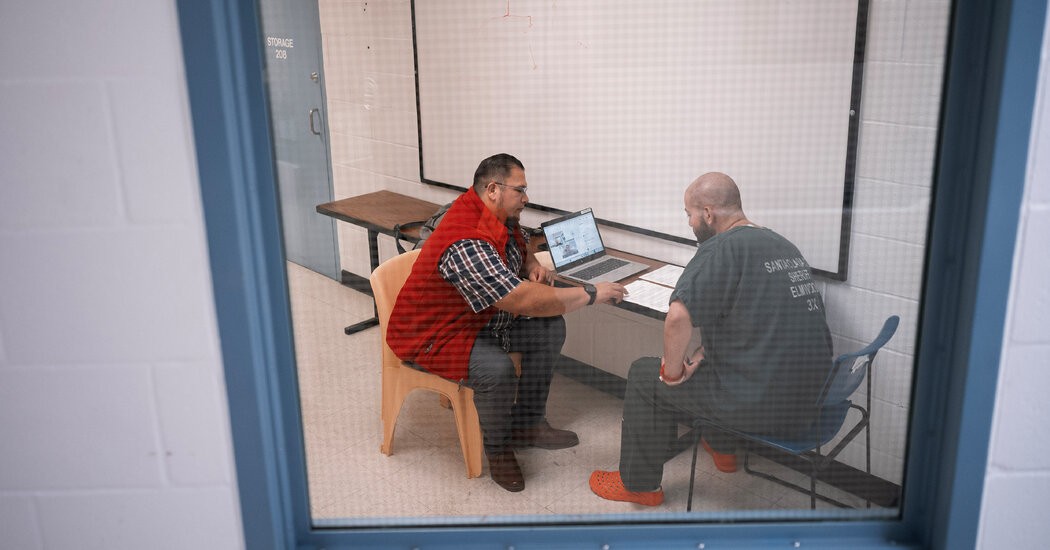
California’s approach is unique in that it proactively engages inmates before release. Mr. DeSantis was assessed by a county healthcare worker while still incarcerated, ensuring he left with a month’s supply of his mental health medications (depression and anxiety) and a connection to a case manager. This immediate continuity of care is critical because untreated mental health and substance abuse are major drivers of recidivism.
From Incarceration to Entrepreneurship
Within months, Mr. DeSantis secured contracting work and began the process of launching his own carpentry business. The combination of mental health support and practical assistance allowed him to avoid the pitfalls that claim so many ex-offenders. By addressing the root causes of instability, this program moves beyond punitive measures to offer a chance at genuine rehabilitation.
This model demonstrates that investing in healthcare for inmates is not just compassionate but also a cost-effective strategy to reduce future crime and improve public safety. By providing stability at a critical juncture, the program transforms former prisoners into functioning members of society.