This weekend presents an exceptional chance to witness Jupiter, the largest planet in our solar system, at its peak brightness. On Saturday, January 10th, Jupiter will reach opposition – a celestial alignment where Earth sits directly between Jupiter and the sun. This configuration makes Jupiter appear remarkably brilliant in the eastern evening sky, shining steadily throughout the night.
Why This Matters: A Rare Celestial Event
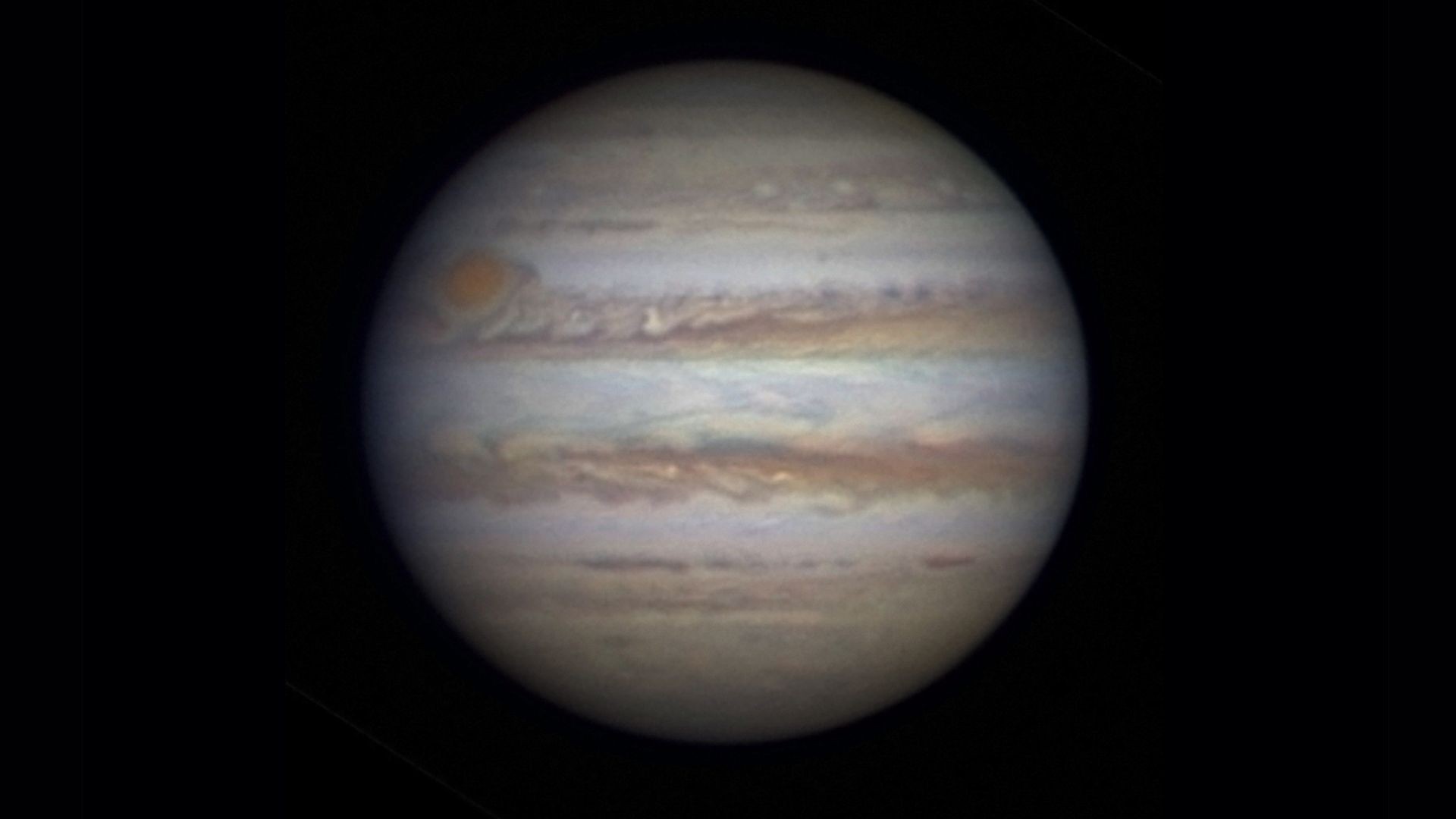
Jupiter’s opposition isn’t just a pretty sight; it’s an ideal viewing opportunity because the planet rises at sunset, reaches its highest point around midnight, and sets at dawn. This extended visibility makes it accessible for both beginner and seasoned stargazers. The alignment also means Jupiter will appear larger and brighter than at any other time of the year, making details like its cloud bands and moons easier to observe.
How to Spot Jupiter
You won’t need special equipment to see Jupiter. It will outshine every star in the night sky for weeks, with a magnitude of -2.7 (brighter objects have lower numbers in astronomy). Look for it in the constellation Gemini, near the bright stars Pollux and Castor.
- Naked Eye: Jupiter will appear as a bright, steady point of light.
- Binoculars (8×42 or 10×50): You’ll be able to resolve Jupiter as a small disk and see its four largest moons – Io, Europa, Ganymede, and Callisto – as tiny points of light beside the planet. Their positions will shift nightly.
- Telescope: A telescope reveals even more detail. Low-power eyepieces will show Jupiter’s cloud bands, while higher magnification may reveal the Great Red Spot, a centuries-old storm raging in the planet’s southern hemisphere.
Beyond Jupiter: Saturn and Future Conjunctions
While Jupiter dominates the current night sky, Saturn is also visible lower in the southwest after sunset. Though fainter, its rings remain visible through a telescope.
“Jupiter won’t disappear after opposition. On June 9, it will form a striking triple conjunction with Venus and Mercury in the twilight sky. Then, on Nov. 15, it meets Mars in a spectacular close conjunction just before sunrise.”
The next Jupiter opposition won’t occur until February 6, 2027, making this weekend’s viewing particularly special. Don’t miss the chance to witness the “king of the planets” at its most brilliant.