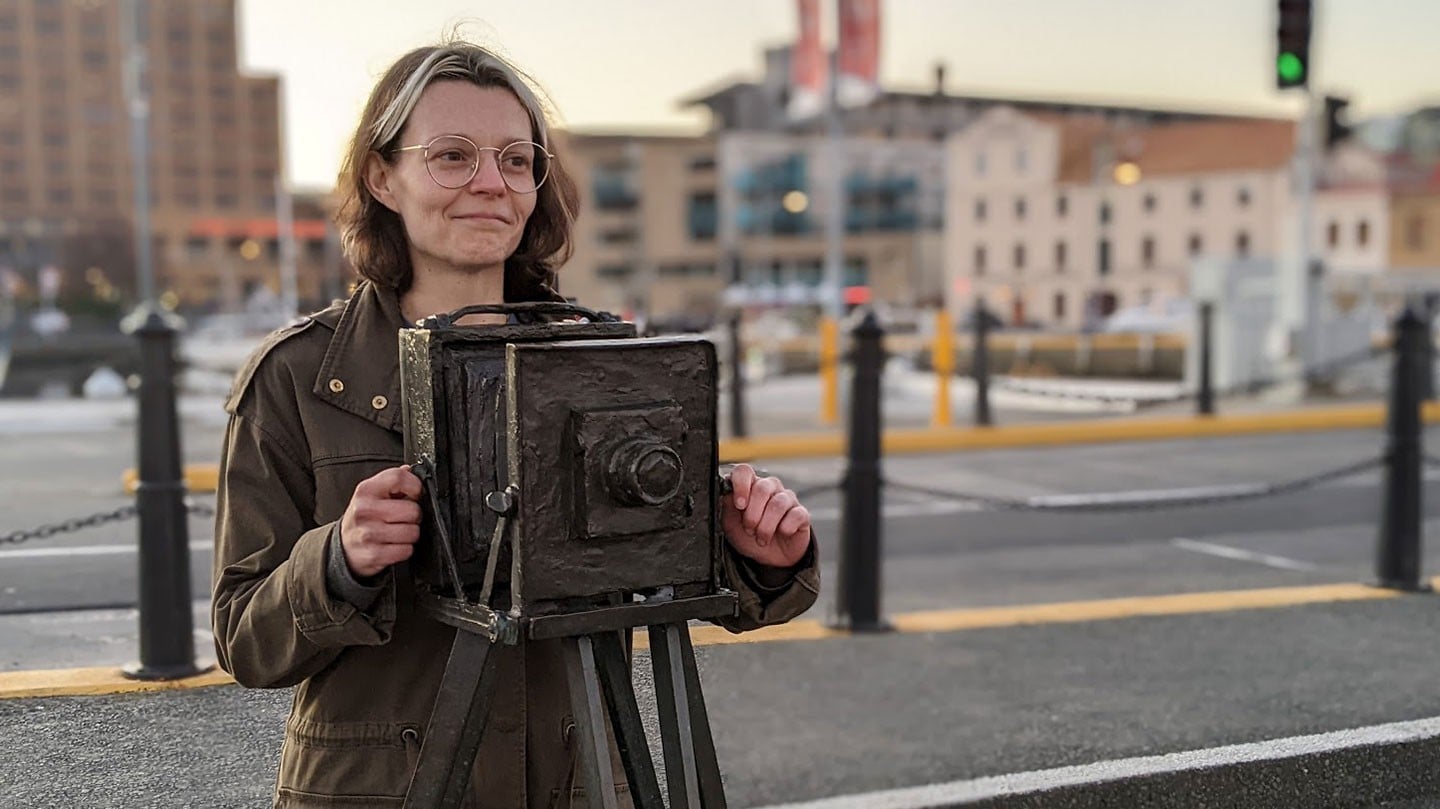
Susannah Emery, a game designer at Adelaide University in Australia, isn’t building worlds of fantasy or combat. Instead, she’s crafting interactive experiences that simulate the everyday realities of neurodivergent individuals – people whose brains process information differently. Her goal? To foster empathy and understanding by letting players experience what it’s like to navigate a world not designed for them.
The Power of Immersive Experience
Emery’s game, Life (Re)Sounding, is designed to challenge assumptions about neurodiversity. The game doesn’t focus on overcoming epic battles but on completing simple tasks, like cleaning up trash, while grappling with real-world sensory issues. For instance, one level demonstrates how intense light sensitivity can become debilitating, forcing players to contend with rapidly brightening screens until visibility is lost.
“It’s designed to show that it’s the world itself that causes the challenges that we face, rather than ourselves,” Emery explains. This highlights a crucial point: many obstacles faced by neurodivergent individuals aren’t inherent limitations but rather the result of environments that fail to accommodate diverse neurological experiences.
From Teaching to Game Design: A Journey of Discovery
Emery’s path to game design wasn’t linear. Early in her education, she almost abandoned the field after a career advisor discouraged her, suggesting multimedia wasn’t a viable path for a woman. Seeing a female department head at a university open day changed her mind. Later, while teaching in a remote Australian community, she observed that students disengaged with traditional lessons but thrived with video games.
This realization led her to experiment with the Nintendo Wii, removing scoring systems to focus on engagement rather than competition. This simple change dramatically increased attendance rates, demonstrating the power of games to motivate learning. She then pursued higher education, co-designing a game that blended First Nations knowledge with the Australian curriculum and eventually earning a Ph.D. focused on using games to raise awareness of domestic violence.
Addressing Imbalance in the Industry
The gaming industry faces a clear gender gap. While player demographics are relatively even, only 22% of Australian game developers identify as female. This lack of diversity creates a feedback loop: if the creators don’t reflect the audience, the games themselves may not resonate with a broad range of players.
“The makeup of those making games should reflect the people who are playing them,” Emery argues. Representation matters. It ensures more inclusive narratives and experiences, allowing players to see themselves reflected in the games they love.
The Role of AI: Tool or Threat?
Artificial intelligence is rapidly reshaping the gaming landscape. Emery acknowledges AI’s potential but cautions against letting it become the sole creative force. While AI can accelerate development, it lacks the lived experiences that make games truly compelling.
“AI can code like a boss. But it hasn’t gone through the same things you have.” Human stories, memories, and emotions are essential ingredients that AI cannot replicate.
Advice for Aspiring Game Developers
Emery’s advice to newcomers is simple: start making games. Whether it’s sketching designs on paper or using free engines like Scratch and Twine, the key is experimentation. Game development is iterative, involving endless testing and refinement.
“There’s no failure in games. There’s a restart, right?” This mindset applies to the creative process itself. Embrace repetition, learn from mistakes, and keep iterating until the game feels right.
Ultimately, Emery’s work demonstrates that games aren’t just entertainment; they can be powerful tools for empathy, education, and social change. By simulating lived experiences, she challenges players to reconsider their assumptions and create a more inclusive world, one playthrough at a time.