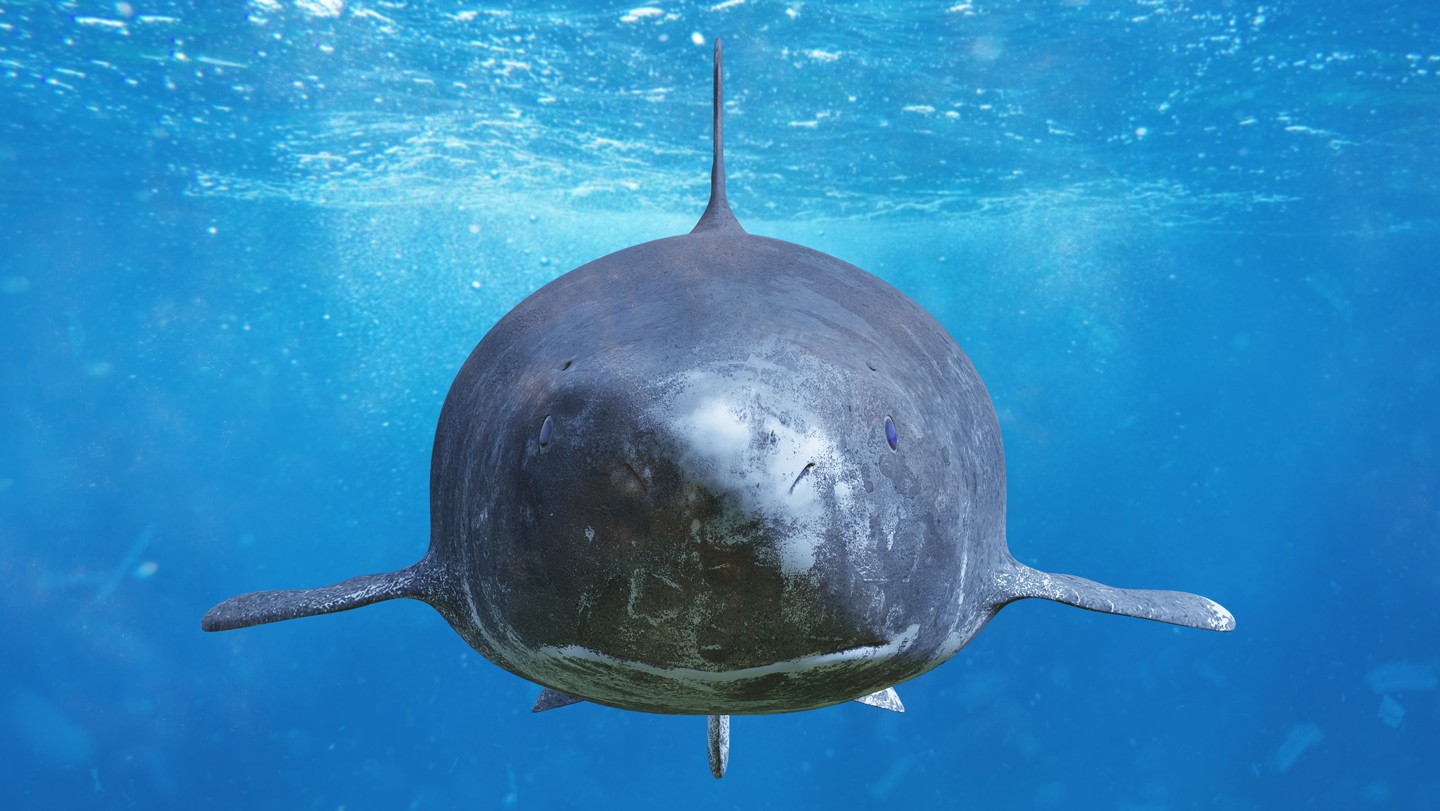
Greenland sharks, the longest-lived vertebrates on Earth, are revealing surprising insights into how organisms defy aging. Recent studies suggest these deep-sea predators possess unique biological mechanisms allowing them to survive for centuries, offering potential clues for human anti-aging therapies.
The Puzzle of Greenland Shark Longevity
These “ancient grandpa sharks,” as biologist Lily Fogg describes them, can live for over 400 years. While their extreme lifespan has long been known, the specific processes enabling it remain mysterious. Researchers are now discovering that longevity isn’t a uniform trait across their bodies: some organs exhibit remarkable resilience, while others show typical age-related damage.
Eyes That Defy Time
One surprising finding comes from studies on Greenland shark eyeballs. Contrary to expectations, these organs retain full functionality even in sharks exceeding 150 years of age. The tissue shows minimal wear and tear, suggesting heightened DNA repair mechanisms at work. Researchers found intact cellular and molecular tools for deep-sea vision, indicating the sharks don’t suffer from age-related vision loss. This discovery, published in Nature Communications, points to a robust genetic defense against cellular degradation.
The Heart’s Paradox: Damage Without Dysfunction
However, not all organs fare so well. A separate study of Greenland shark hearts reveals substantial scarring and cellular damage consistent with aging. Despite this, the hearts continue to function effectively, defying the typical consequences of cardiovascular stress in other species. Researchers speculate that the sharks may produce protective hormones or possess unique tissue properties allowing them to endure damage that would prove fatal to other animals.
Why This Matters: A Biological Balancing Act
The contrasting findings – resilient eyes versus scarred hearts – highlight a crucial point: longevity isn’t about avoiding all damage, but about tolerating or repairing it effectively. The Greenland shark’s body appears to prioritize certain organs for preservation while accepting damage in others. This strategy may be key to their longevity, suggesting a biological trade-off between organ-specific protection and overall resilience.
Future Implications: From Sharks to Humans?
While direct human applications are distant, understanding these mechanisms could revolutionize anti-aging research. If scientists can replicate the sharks’ DNA repair or protective hormone systems, it might lead to therapies for age-related organ failure in humans. However, ecologists caution against premature speculation or misguided “shark-based” health trends. As Catherine Macdonald emphasizes, “We don’t need to go out and start drinking Greenland shark blood.”
The Greenland shark remains a captivating model for longevity research, offering a glimpse into the biological limits of aging and the potential for extending healthy lifespan.