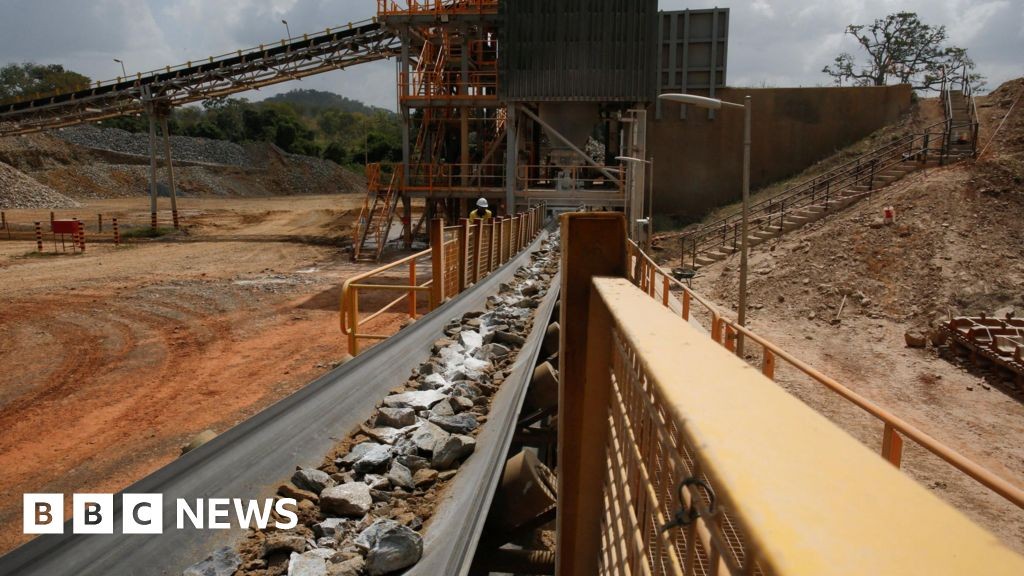
The world is entering a new era of resource competition, as nations race to secure access to critical minerals — the essential ingredients for modern technology, clean energy, and national security. From smartphones to electric vehicles, these materials underpin nearly every aspect of 21st-century economies, making control over their supply chains a top geopolitical priority.
What Are Critical Minerals?
Critical minerals aren’t rare in the Earth’s crust, but they are strategically important because their supply is either concentrated in a few countries, difficult to extract, or essential for key industries. The exact definition varies by nation; for example, copper is considered critical by the U.S. but not the UK, which focuses on materials like aluminum, cobalt, and helium.
Key minerals driving demand include:
- Lithium: Vital for energy storage in batteries.
- Cobalt: Used in high-performance batteries and wind turbines.
- Graphite: Essential for fuel cells, batteries, and even nuclear power.
- Rare Earth Elements (REEs): A group of 17 elements (plus scandium and yttrium) crucial for microchips, magnets in electric vehicles, and advanced defense systems.
Despite the name, REEs aren’t particularly scarce geologically. Neodymium, for instance, is as common as copper in the Earth’s crust. The problem isn’t scarcity; it’s processing.
Why Does China Dominate?
The global scramble for critical minerals reveals a fundamental imbalance: China dominates processing. While many countries mine raw materials, China controls the complex and often environmentally damaging refinement processes needed to make them usable.
- 72% of lithium refining occurs in China, despite the majority of raw lithium coming from Australia and Chile.
- 90% of cobalt mined in the Democratic Republic of Congo is sent to China for processing.
- Over 95% of rare earth processing happens within China.
This dominance isn’t accidental. As Bob Ward of the LSE Grantham Research Institute points out, China strategically invested in processing capacity a decade ago, anticipating the surge in demand from green energy and AI.
Lower environmental standards have also allowed China to keep costs down, but at a significant ecological price. Recent investigations have exposed toxic waste ponds, deforestation, and soil erosion at rare earth mines in northern China.
The Geopolitical Stakes
The dependence on Chinese processing creates vulnerabilities. A US Government report warned that a disrupted supply could cripple defense production and advanced manufacturing. The European Central Bank has also flagged these dependencies as a risk.
President Trump has pledged to reverse this trend, signing a critical minerals deal with Australia, aiming for self-sufficiency within a year. However, building domestic processing capacity will take time and significant investment.
The current trajectory suggests that copper and lithium could face supply deficits by the 2030s if current mining projects don’t scale fast enough.
This situation raises critical questions: Will nations diversify their supply chains, or will China maintain its stranglehold on essential materials? The answer will shape the future of global power dynamics and the transition to a sustainable economy.