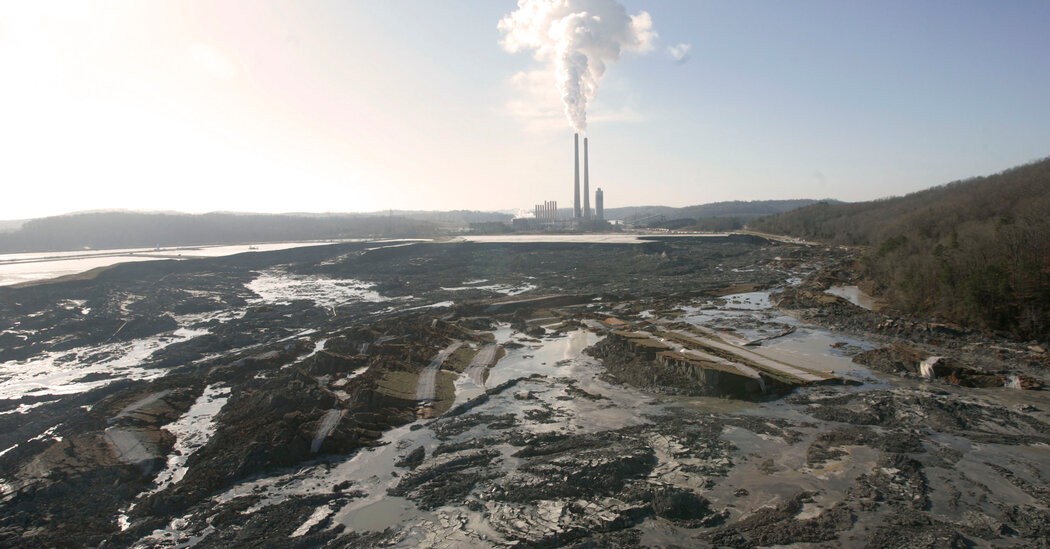
The Environmental Protection Agency (EPA) has announced plans to weaken regulations governing the disposal of coal ash, a move that marks a significant shift in federal environmental policy. By repealing recent requirements for monitoring waste at inactive power plants, the agency is prioritizing industrial efficiency and fossil fuel production over the stringent cleanup mandates established during the Biden administration.
The Shift in Regulation
The EPA intends to repeal a 2024 rule that required companies to conduct rigorous assessments of coal ash sites at inactive power plants. Additionally, the agency plans to modify several long-standing cleanup requirements that have been in effect for over a decade.
EPA Administrator Lee Zeldin described these changes as “common sense,” arguing they will streamline how companies handle groundwater monitoring and cleanup. According to Zeldin, this regulatory pivot aligns with President Trump’s “energy dominance” agenda—a policy framework designed to maximize the domestic production of coal, oil, and natural gas.
Understanding the Risk: What is Coal Ash?
To understand the implications of this decision, it is essential to recognize the nature of the material in question. Coal ash is the byproduct remaining after coal is burned to generate electricity. It is not merely inert dust; it is a concentrated toxic cocktail containing hazardous substances, including:
- Arsenic
- Lead
- Mercury (a potent neurotoxin)
- Cadmium
- Chromium
When stored improperly, these heavy metals can leach into the soil and contaminate groundwater. Because groundwater often serves as a primary source of drinking water, environmental advocates warn that loosening oversight could pose a direct health risk to millions of citizens.
A Broader Strategy for the Coal Industry
This regulatory rollback is part of a much larger, coordinated effort by the Trump administration to revitalize the American coal sector. The administration has implemented several aggressive measures to support the industry, including:
- Preventing Plant Closures: Directing the Energy Department to halt the decommissioning of coal-fired power plants.
- Expanding Mining Access: Opening 13.1 million acres of federal land for coal mining operations.
- Infrastructure Investment: Allocating hundreds of millions of dollars to upgrade existing plants to extend their operational lifespans.
Beyond coal ash, the EPA is also moving to erase greenhouse gas limits for coal plants and weaken restrictions on mercury emissions—a substance particularly dangerous to the neurological development of infants.
The Growing Tension
The conflict highlights a fundamental divide in American energy policy. On one side is the push for energy dominance, which views strict environmental regulations as “burdensome” obstacles to economic growth and energy security. On the other side is the public health mandate, which argues that the long-term costs of water contamination and toxic exposure far outweigh the immediate economic benefits of deregulation.
“Our proposed changes will increase transparency and promote resource recovery while continuing to protect human health and the environment,” stated Lee Zeldin, though environmental groups remain skeptical of the agency’s ability to balance these competing interests.
Conclusion
The EPA’s decision to weaken coal ash regulations signals a decisive move toward prioritizing fossil fuel production and industrial ease. While this supports the administration’s goal of energy dominance, it raises significant questions regarding the long-term safety of national drinking water supplies.