For over a century, the appendix has been dismissed as a leftover from our plant-eating ancestors – a “vestigial organ” with no real purpose. This view, popularized by Charles Darwin, has shaped medical textbooks and common understanding. However, recent research reveals a far more complex story : the appendix isn’t an evolutionary mistake, but an organ that has evolved independently at least 32 times across mammals.
The Recurring Evolution of an Unexpected Organ
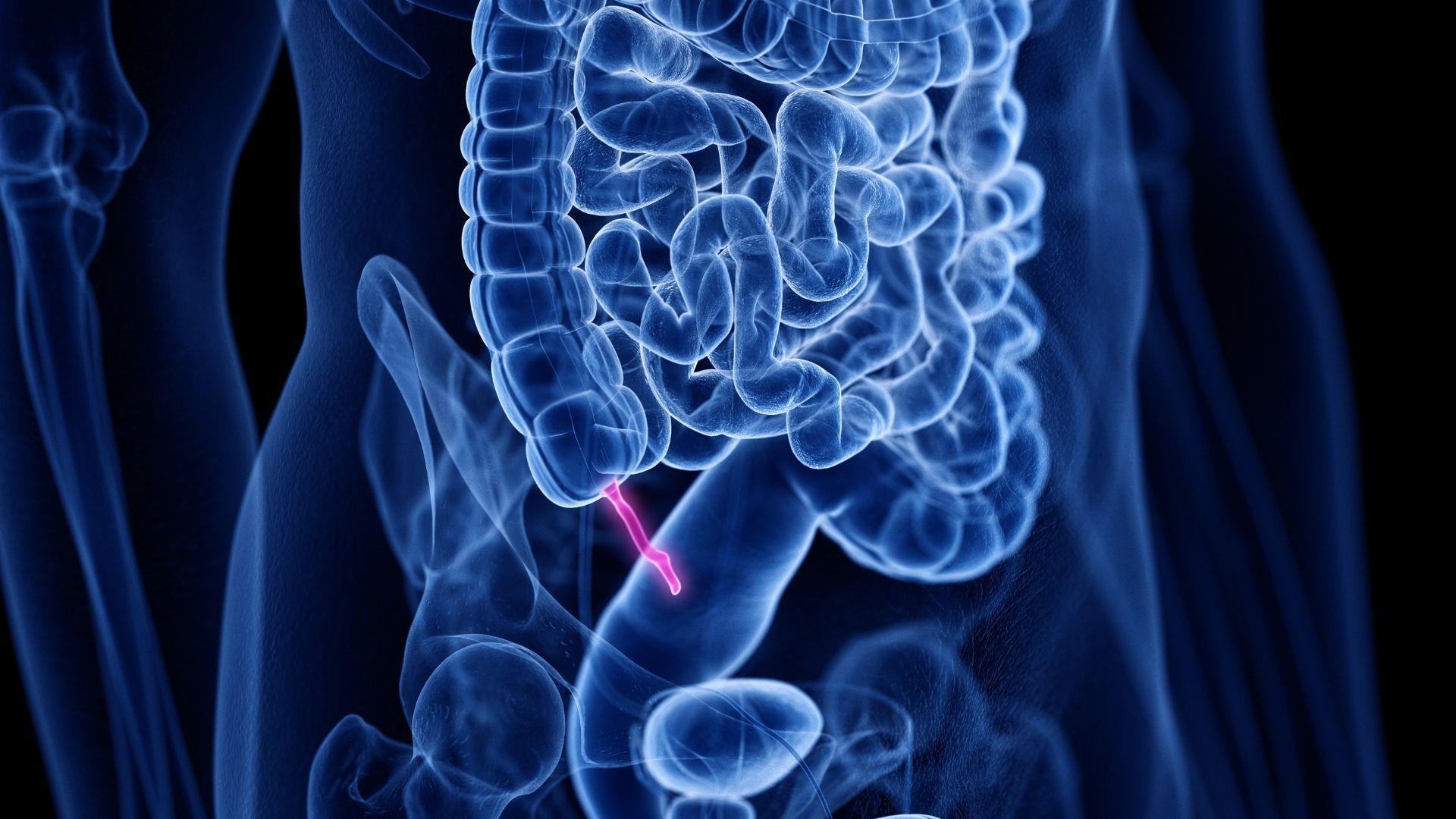
Scientists initially expected a simple answer when they reviewed the scientific literature on the appendix, but instead found an organ repeatedly “reinvented” by evolution. The appendix, a small pouch branching off the large intestine, demonstrates significant structural diversity. Some species have long, cylindrical versions, while others exhibit shorter, funnel-shaped structures. This variability suggests evolution has repeatedly favored the appendix under different ecological pressures.
Specifically, comparative studies show that an appendix-like structure evolved independently in marsupials (like wombats and koalas), primates (including humans), and glires (rodents and rabbits). Across 361 mammalian species, the appendix has evolved separately at least 32 times – a phenomenon known as convergent evolution. This doesn’t guarantee the organ is essential, but it implies a consistent advantage in certain environments.
What Does the Appendix Actually Do?
The appendix isn’t just a historical artifact; it plays an active role in the body. It’s rich in gut-associated lymphoid tissue (GALT), which supports the immune system by monitoring gut microbial activity. In young animals, the appendix helps “train” the immune system to distinguish between harmful pathogens and beneficial microbes.
Furthermore, the appendix may act as a microbial refuge. During severe gut infections, biofilms within the appendix can shelter beneficial bacteria, allowing them to repopulate the intestine afterward. This could aid digestion, compete with pathogens, and reduce inflammation.
Interestingly, studies examining fertility after appendectomy have not shown a decrease in pregnancy rates. In fact, some research suggests a slight increase. This indicates that while the appendix has multiple functions, it doesn’t significantly impact reproductive fitness in modern humans.
From Evolutionary Advantage to Modern Liability
The appendix thrived in environments with poor sanitation and frequent outbreaks of diarrheal diseases. A functional appendix could restore gut microbiome balance after infection, increasing survival rates. However, modern sanitation, antibiotics, and surgical interventions have diminished the appendix’s evolutionary advantage. Appendicitis remains a medical risk, often requiring removal of the organ.
This mismatch between past adaptations and present conditions highlights a key principle in evolutionary medicine: evolution favors traits that increase reproductive success in ancestral environments, not necessarily health or longevity today. The appendix is not essential for survival in the 21st century, but its repeated evolution demonstrates that it was once a valuable adaptation.
Understanding the appendix’s history allows for more informed medical decisions. Human biology retains many traits that were once beneficial but are now marginal, and recognizing this allows medicine to prioritize individual well-being over ancestral survival.