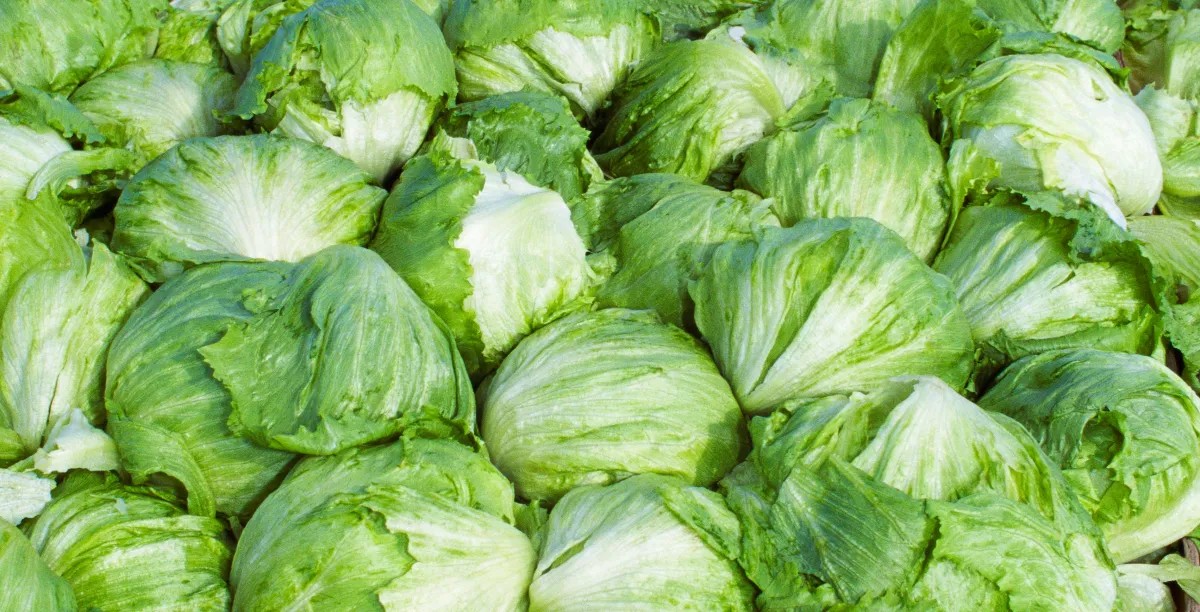
The iceberg is gone. At least from the shelves of your local Taco Bell and many grocery stores. Taylor Farms is pulling all its central Mexico iceberg lettuce. It’s a voluntary move, but the pressure is mounting. The CDC says it’s linked to an outbreak of cyclosporiasis. That’s the “explosive diarrhea” bug making people sick.
What causes Cyclospora and how it spreads
This isn’t just a tummy ache. Cyclospora infects the small intestine. It can incubate for a week or two before you realize something is wrong. When it hits, it hits hard. Watery diarrhea. Frequent bathroom trips. Vomiting. Body aches that feel like the flu.
Symptoms come and go.
That’s the tricky part. You might feel better for a few days. Then it returns. This pattern makes diagnosis harder. Doctors might miss it if they don’t test for specific parasites. The FDA calls it a severe illness risk. Right now, over 5,00 cases in Michigan alone. More than 100 people were hospitalized there.
Where did the lettuce come from and why now
The trail leads north of the border. Specifically to Guanajuato. Taylor Farms had a facility there processing 5-pound bags of shredded lettuce. On Thursday, they told customers—names like Yum Brands’ Taco Bell and Sysco—to stop shipping it. Taco Bell reacted fast. They indefinitely removed the ingredient from their nationwide supply chain.
“We will replace it within 24 hours in select locations,” the fast-food giant stated.
But the issue isn’t just Taco Bell. Taylor Farms sells billions in produce yearly. Two out of five salad kits in grocery stores come from them. You might not see their name on the box, though. The contamination source? An independent farm in central Mexico. It represents less than 1 percent of the US iceberg supply. Small footprint, huge fallout. Taylor Farms chose to wipe the whole region from the US market, not just the one farm.
Which stores and restaurants are affected
Right now, the confirmed hits are concentrated in five states. Indiana. Kentucky. Michigan. Ohio. West Virginia. That’s where the Taco Bell-linked cases cluster. But the FDA is still hunting. Tracebacks are slow. Hard. The agency admits they haven’t identified other products to avoid yet. They might tomorrow. They might not for weeks.
The investigation is hampered. Federal health agencies have seen staff cuts. ProPublica reports a loss of more than 240 specialists. The CDC scaled back FoodNet, its surveillance tool that partnered with 10 states. Fewer eyes on the problem means a longer solution.
Why tracking food is getting harder
Timing is bad. Really bad. Earlier this year, the FDA pushed its new traceability rule. The Requirements for Additional Traceability Records? Slated for January 2026. Now it’s July 2028. Two extra years of vague paperwork. Standardized record-keeping could have pinpointed that specific farm faster. Now investigators are piecing it together manually.
Who supplies the food you eat? You rarely know until they call. Taylor Farms says the removal is indefinite. Until they are sure. Until the CDC stops seeing new spikes. The parasite is stubborn. It hides in irrigation water. It hides on the leaves we toss into bowls.
Is this the last we’ll hear of central Mexican lettuce? Probably not. The FDA is watching other states. Unrelated outbreaks are under review too. The supply chain is vast. The safety net has holes. You’ll wait. They’ll check. We’ll eat something else for now. Maybe romaine. Or spinach. Until someone else slips up.