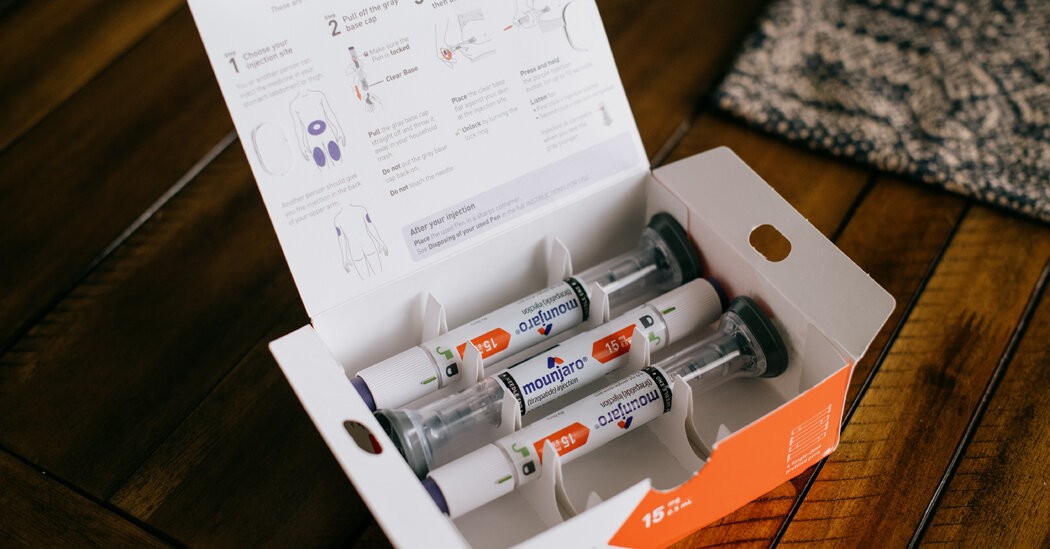
A new study indicates that patients using GLP-1 medications for weight loss may not need to adhere to strict weekly injection schedules to maintain results. Dr. Mitch Biermann, an obesity specialist at Scripps Clinic, observed that many patients who spaced out their injections – taking them every two or three weeks instead of weekly – continued to lose weight and improve their overall health.
The Observation That Sparked Research
The trend emerged organically. Dr. Biermann noticed his patients repeatedly reporting success with less frequent injections. Some had begun extending the time between doses on their own, yet continued to experience weight loss and health improvements. This prompted him to design a formal study to investigate whether this off-label approach was actually effective.
Study Findings: Extended Intervals Worked
The study followed patients for 36 weeks. Results showed that most who spaced out their GLP-1 injections still maintained their weight loss, along with positive health outcomes such as reduced blood pressure and better blood sugar control. This suggests that the medications may have a lasting effect even when not administered at the maximum recommended frequency.
Why This Matters
These findings could have significant implications for how GLP-1 drugs are prescribed and used. The high cost and inconvenience of weekly injections are major barriers for many patients. If less frequent dosing proves equally effective, it could improve adherence and accessibility to these medications.
The study also raises questions about the long-term effects of this adjusted approach and whether it could impact the drug’s efficacy over time. Further research will be needed to confirm these results and establish clear guidelines for patients and clinicians.
In conclusion, preliminary evidence suggests that patients may be able to reduce the frequency of GLP-1 injections without sacrificing weight loss or health benefits, potentially making these drugs more practical for wider use.