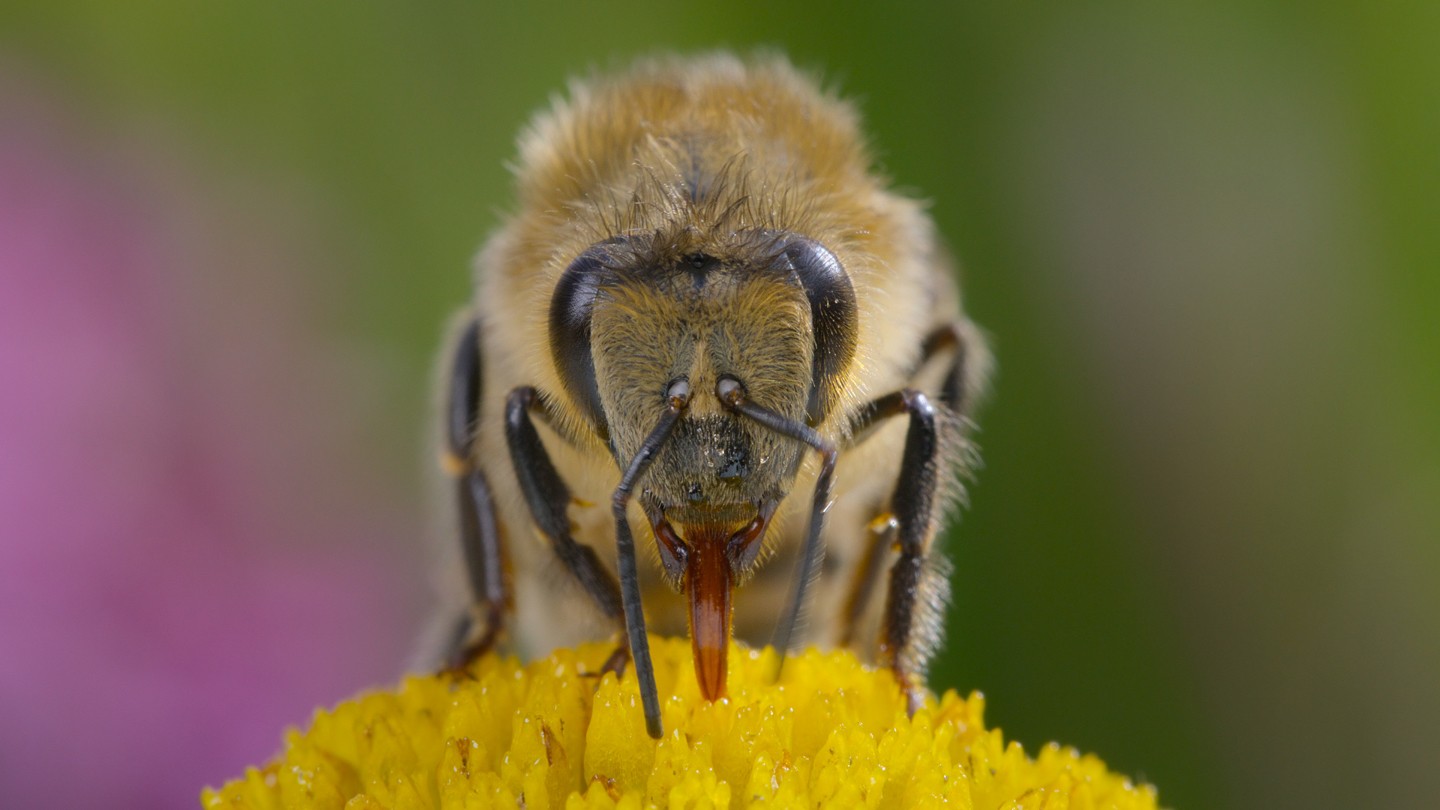
The spring thaw awakens a world unseen by most: the bustling life within a honeybee hive. A new worker bee emerges, destined for a short but vital existence nurturing larvae and foraging for sustenance. This singular life, and the collective efforts of countless others, are the focus of Secrets of the Bees, a new documentary series premiering March 31 on National Geographic (and April 1 on Disney+ and Hulu).
The Importance of Pollinators
The series, narrated by Bertie Gregory, doesn’t just show bees; it makes a case for their importance. Bees, despite their small size, are central to global food production. While often stated that they pollinate one in three bites of food, it’s a simplification. The broader point remains: bees are essential pollinators, and their decline would have severe consequences for ecosystems and human food supplies.
This isn’t just about honeybees. The documentary highlights the astonishing diversity of over 20,000 bee species worldwide. Some bees have evolved truly bizarre behaviors. In Ecuador, vulture bees create honey from digested meat, while others demonstrate surprising intelligence, using tools to evade predators. One example is Japanese honeybees that use leaves to confuse attacking hornets, a behavior documented for the first time in the series.
Facing Existential Threats
The series doesn’t shy away from the dangers bees face. Parasitic varroa mites, viruses, habitat loss, climate change, and pesticides all threaten bee populations. Up to a quarter of bee species are now in decline. Researchers, such as entomologist Samuel Ramsey, are studying ways to improve bee resilience, including identifying bees with stronger grooming habits to fight off mites.
The Honeybee Paradox
The documentary also explores a complex issue: the impact of honeybees themselves. Though vital for pollination, honeybees are not native to many regions and can outcompete local species. In some areas, like London, native bees spend more time fighting off honeybees than finding mates. This demonstrates that conservation isn’t just about saving bees in general; it’s about protecting entire ecosystems.
Hopeful Solutions
Despite the challenges, Secrets of the Bees ends on a hopeful note. Indigenous communities, such as the Maya in Mexico, are revitalizing traditional beekeeping practices with stingless Melipona bees. Others, like an Oregon beekeeper, are converting land into wildflower meadows to support both honeybees and native pollinators.
Ultimately, the documentary succeeds in its core mission: to inspire awe and underscore the critical need for bee conservation. Bees act as a “canary in the coal mine” for broader environmental health, and their fate is intertwined with our own.