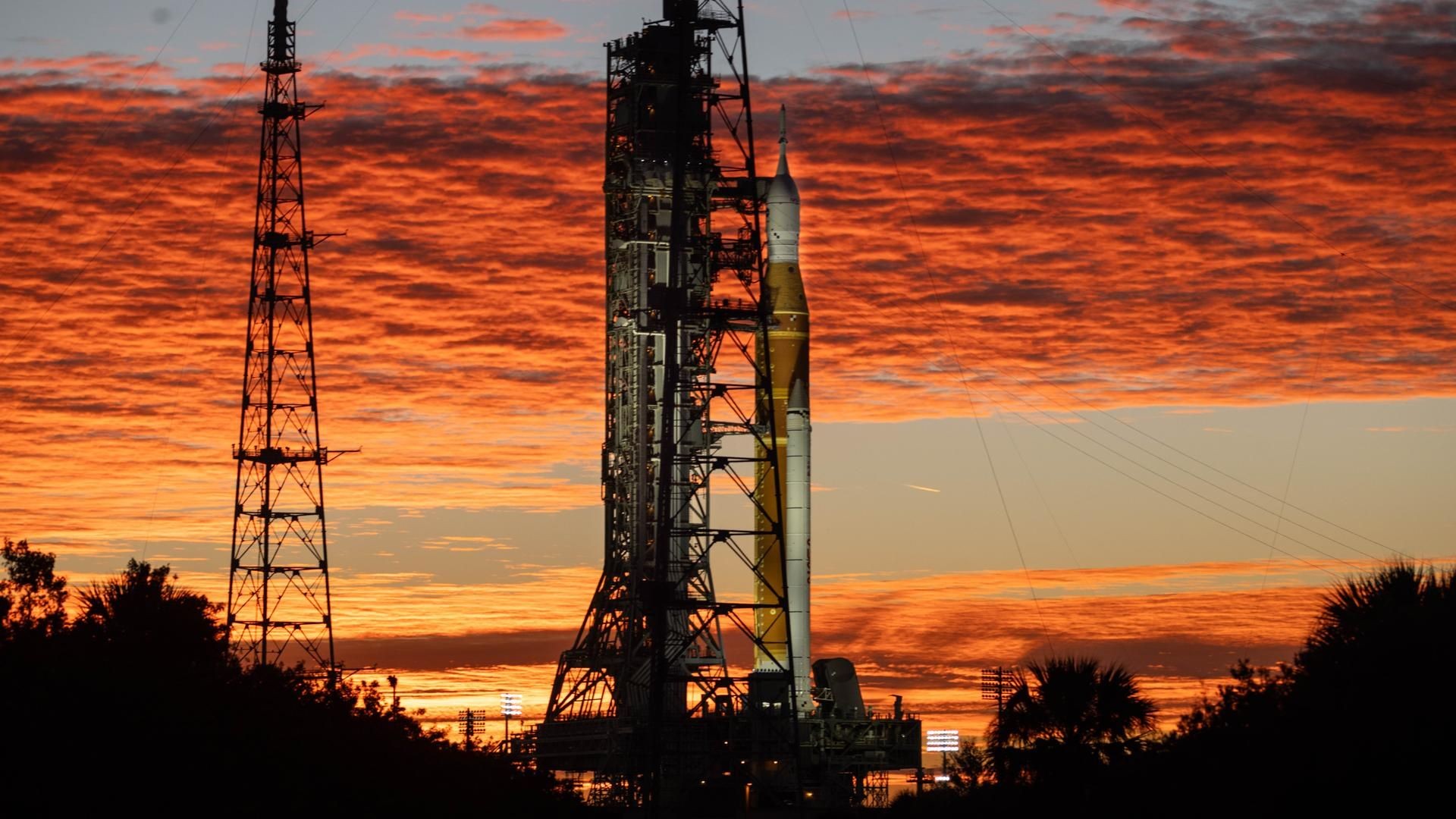
NASA is preparing for its first crewed mission to the Moon in over half a century, launching four astronauts on the Artemis 2 mission. The launch is currently scheduled for no earlier than April 1st at 6:24 PM EDT (2224 GMT), and you can watch it live on Space.com, with NASA’s coverage beginning at 12:50 PM EDT (1650 GMT).
The Crew and the Mission
The Artemis 2 crew includes NASA astronauts Reid Williams (commander), Victor Glover (pilot), and Christina Koch (mission specialist), along with Canadian Space Agency astronaut Jeremy Hansen. The mission won’t land on the Moon but will instead conduct a flyby, testing the Space Launch System (SLS) rocket and Orion spacecraft with a human crew for the first time.
This is a critical step toward establishing a sustainable human presence on and around the Moon. The SLS and Orion have both flown uncrewed before, but Artemis 2 is the first full-scale test with people aboard. Success here is vital for future Artemis missions, including the planned lunar landing with Artemis 3.
What to Expect During the Flight
About 24 hours after launch, the Orion capsule will execute a “trans-lunar injection” burn, propelling the crew toward the Moon. Once in lunar orbit, the astronauts will orbit the far side of the Moon at a distance of roughly 5,000 miles (8,000 kilometers). From this vantage point, the Moon will appear as large as a basketball in their view, allowing for detailed visual observation.
“The crew will examine the lunar surface for color, lighting, rock types, and other features,” according to NASA officials.
Beyond observation, Artemis 2 will also collect data on how the human body reacts to deep-space travel in a higher-radiation environment than the International Space Station (ISS). There may even be a live communication link between Artemis 2 and the ISS, which Space.com will broadcast if it happens.
Real-Time Coverage and Return to Earth
NASA and the CSA plan to provide continuous multimedia coverage throughout the mission, including 24/7 live footage from external Orion cameras (though the quality may vary). Public updates from the astronauts are expected daily, though exact timing remains flexible.
The mission is expected to last around ten days, culminating in a splashdown off the coast of San Diego. While NASA hasn’t confirmed the exact timing, live video of the recovery operation conducted with the U.S. Navy will likely be available.
Keep in mind: Artemis 2 is pioneering new procedures, so mission events are subject to change. Space.com will maintain a live blog for continuous updates as the mission unfolds.
Humanity’s return to lunar orbit with Artemis 2 marks a pivotal moment in space exploration, setting the stage for a permanent lunar presence and future missions to Mars. The coming weeks will be filled with unprecedented data and breathtaking views as the crew pushes the boundaries of space travel once again.