Researchers have identified a set of molecules in the blood that can predict which older adults are most likely to survive the next two years with up to 86% accuracy. The findings, published in Aging Cell, suggest that these molecules — small RNA strands called piRNAs — may be a stronger indicator of short-term survival than traditional health measures like age, cholesterol, or physical activity.
The Role of piRNAs in Aging
PiRNAs, short for piwi-interacting RNAs, are crucial for regulating genes involved in development, tissue repair, and the immune system. While animal studies have shown that reducing piRNA levels can extend lifespan, their function in human aging has been poorly understood. This study sheds light on their potential role, identifying nine piRNAs linked to healthy aging.
How the Study Was Conducted
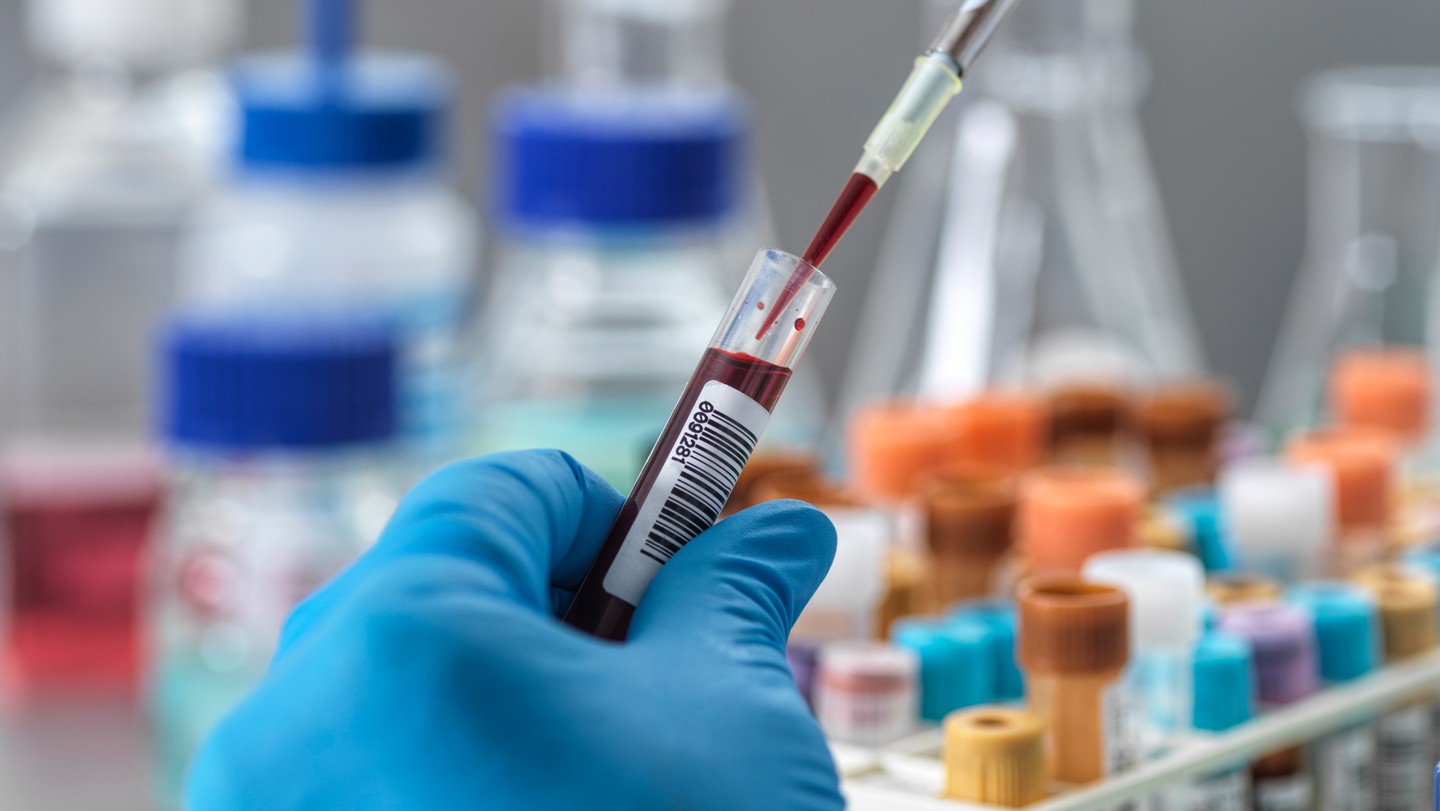
The study analyzed blood samples from over 1,200 participants aged 71 and older, part of a long-term North Carolina health study. Researchers compared 828 small RNAs, including piRNAs, with existing health data, physical assessments, and self-reported lifestyle information. Those who lived longer consistently had lower levels of these molecules.
Key Findings: Predictive Accuracy
Combining the levels of six specific piRNAs emerged as the strongest predictor for two-year survival. The pattern held up when tested in a separate group of participants. Interestingly, while lifestyle and traditional health factors became more influential over longer timeframes, piRNAs still revealed underlying biological differences related to cellular stress, damage repair, and aging.
Simulating Ideal piRNA Levels
When researchers simulated optimal piRNA levels in computer models, predicted survival rates increased dramatically, from roughly 47% to nearly 100%. However, experts caution that such extreme changes may not be biologically realistic or safe.
Cautious Optimism and Future Research
While promising, the study does not yet translate into a ready-to-use clinical test. Experts suggest that the piRNA patterns likely reflect short-term health risks or frailty rather than the broader process of aging. Further validation in diverse populations and with standardized testing methods is needed.
The findings suggest piRNAs could eventually offer insights into underlying biological mechanisms of aging, but they are not a crystal ball for predicting longevity.
For now, the discovery highlights the complex interplay between molecular biomarkers, lifestyle, and the aging process.