

Подивіться довкола себе. Пластикові пляшки для води. Антипригарні сковороди. Вогнезахисне просочення меблів. Ви дивитеся на органічні галогеновмісні сполуки.
Це органічні молекули, у яких міцно утримується галоген. А саме один із чотирьох елементів: фтор, хлор, бром або йод. Галоген утворює прямий зв’язок із атомом вуглецю. Саме цей простий зв’язок визначає величезний клас хімічних речовин. Вони не просто теоретичні концепції. Вони формують сучасне виробництво.
Вчені ділять ці сполуки чотирма чіткі групи. Відмінність полягає у сусідах атома вуглецю.
Алкілгалогеніди та одинарні зв’язки
Візьмемо алкілгалогеніди. Також відомі як галогеналкани. Тут атом вуглецю, пов’язаний із галогеном, веде себе консервативно. Він утворює чотири одинарні зв’язки. Жодних надмірностей. Жодних подвійних зв’язків. Жодних кілець. Тільки прямі та прості зв’язки. Хлороформ – класичний приклад. Те саме стосується і фреонів. Ці структури є стабільними. Передбачуваний. Корисні.
Вінілгалогеніди та подвійні зв’язки
Потім йдуть вінілгалогеніди. Атом вуглецю, що утримує галоген, тут інший. Він утворює подвійний зв’язок з іншим атомом вуглецю. Це змінює все. Геометрія стає твердою. Хімічні властивості змінюються. Вінілхлорид відноситься до цієї категорії. Він є будівельним блоком для ПВХ. Але ви не хотіли б, щоб він знаходився у вільному стані у вашому водопроводі.
Арилгалогеніди в ароматичних кільцях
Арілгалогеніди (або галогенарени) розповідають іншу історію. Атом вуглецю, що несе галоген, є частиною ароматичного кільця. Візьмемо, наприклад, бензол. Стабільне, плоске, шестичленне кільце вуглецеве. Зв’язок тут міцніший. Її найважче розірвати. Ця стабільність має значення. Вона впливає те, як ці сполуки реагують в організмі. Вона впливає те, як довго вони зберігаються у навколишньому середовищі.
Ацилгалогеніди та зв’язки з киснем
Нарешті, ацилгалогеніди (кислотні галогеніди). Ці речовини є високореакційними. Атом вуглецю, пов’язаний з галогеном, утворює подвійний зв’язок із киснем. Це створює високо поляризований центр. Він прагне розпочати реакцію. Швидко. Ацилхлориди часто зустрічаються у лабораторіях. У природі вони рідко зустрічаються у вільному вигляді. Занадто нестабільні. Занадто агресивні.
Чому ця класифікація має значення
Можливо, ви запитаєте, навіщо ми ретельно поділяємо типи зв’язків.
Структура визначає функцію. Одинарний зв’язок поводиться інакше, ніж подвійний. Ароматичне кільце поводиться інакше, ніж аліфатичний ланцюг.
Ця різниця не є просто академічною деталлю. Воно визначає токсичність. Воно визначає біорозкладність. Воно визначає, чи допомагає хімічна речовина чи шкодить їй.
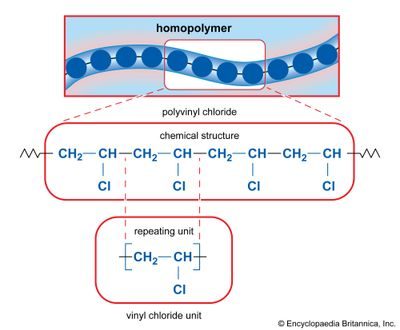
Полівінілхлорид (ПВХ) спирається на вінілові зв’язки. Тефлон спирається на одинарні зв’язки між фтором та вуглецем. Конкретне розташування атомів визначає, як матеріал переносить тепло, механічну напругу та хімічну дію. Помиліться у класифікації зв’язку. Чи не зрозумієте матеріал.
Ці з’єднання всюди. Від ліків, які ви приймаєте до покриттів на даху. Розуміння зв’язку галоген-вуглець – це розуміння хімії сучасного життя. Йдеться не просто про назву речей. Йдеться про те, щоб знати, що вони роблять. І що вони можуть зробити із вами.
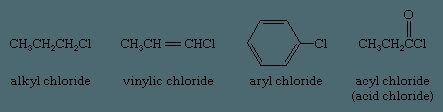
Поведінка органогалогенного з’єднання зводиться до однієї конкретної деталі: який атом вуглецю утримує галоген. Ця різниця диктує хімічний «характер» молекули. Візьмемо хлорпропен (аліловий хлорид). У ньому, безперечно, є подвійний зв’язок. Однак, оскільки хлор знаходиться на атомі вуглецю, який пов’язаний одинарними зв’язками зі своїми сусідами, молекула поводиться як алкілгалогенід. Подвійний зв’язок в іншій частині ланцюга не змінює цієї класифікації. Хлорбензила дотримується того ж правила. До нього приєднано бензольне кільце, але хлор знаходиться на групі метиленової, а не безпосередньо на ароматичному кільці. Тому, незважаючи на складну структуру кільця, він залишається алкілгалогенідом. Це не арілгалогенід.
Ця структурна тонкість має значення, тому що реакційна здатність сильно варіюється. Галоген діє як функціональна група, і його заміна чи реакція із нею є центральними в органічному синтезі. Органохлорні сполуки, зокрема, є промисловими «робочими конячками». Ви знайдете їх як розчинники. Вони відіграють ключову роль пестицидах. Вони є проміжними продуктами для барвників, фармацевтичних препаратів і синтетичних полімерів. Область їх застосування величезна. У природі ідентифіковано понад 2000 органогалогових сполук. Рослини, гриби, бактерії та морські організми виробляють їх. Вони не просто лабораторні дива. Вони є частиною біологічного інструментарію.
Хіміки розробили надійні методи запровадження галогенів в органічні молекули. Вони також є міцні способи перетворення цих сполук інші функціональні групи. Ця універсальність робить їх незамінними у виробництві.
Номенклатура молекул
Існує два основних способи назви цих сполук згідно з правилами ІЮПАК: заміщаючий та функціональний клас. Замісний метод є найпоширенішим. Ви берете назву вуглецевого скелета вуглеводню. Потім ви додаєте префікс: фтор-, хлор-, бром-або йод-. Вам також потрібен локант, число, яке вказує, до якого атома вуглецю приєднаний галоген. Якщо є кілька заступників, їх перераховують в алфавітному порядку.
Розглянемо простий ланцюг. Якщо хлор знаходиться на другому атомі вуглецю пропану, це 2-хлорпропан. Префікс вказує на галоген. Число вказує на місцезнаходження. Родова назва вказує на структуру. Це чітка система. Вона не залишає місця для неоднозначності. Ця ясність необхідна під час обговорення складних реакцій чи промислових застосувань. Без стандартизованої номенклатури спілкування в хімії перетворилося б на хаос.
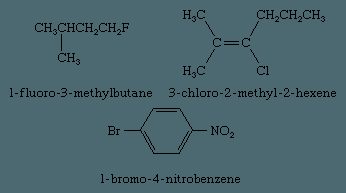
Номенклатура галогенідів за функціональним класом
Номенклатура за функціональним класом поділяє назву алкілгалогеніда на дві окремі частини. Це не одне складове слово. Перша частина — це стандартна назва за номенклатурою ІЮПАК для алкільної групи. Якщо вам потрібно освіжити у пам’яті правила найменування вуглеводневих ланцюгів, зверніться до базових правил номенклатури ІЮПАК для алканів. Друга частина є суфіксом, що вказує на конкретний присутній галоген. Залежно від того, який атом галогену приєднаний, використовується фторид, хлорид, бромід або йодид.
Нумерація ланцюга не довільна. Вона починається з атома вуглецю, що з галогеном. Це забезпечує галоген найменший можливий позиційний індекс. Це проста система. Галоген визначає друге слово. Ланцюг визначає перше слово.
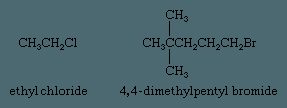
Ми всі чули про ці речовини, навіть якщо не дізнаємося про їх формулу. Дихлорметан. Хлороформ. Чотирьоххлористий вуглець. Вінілхлорид. Це не просто лабораторні хімікати; це усталені загальні назви конкретних хлорованих вуглеводнів, які протягом десятиліть формували промисловість, медицину та екологічну політику. Їх хімічні ідентифікатори точні: CH2Cl2, CHCl3, CCl4, CH2=CHCl та CH2=CCl2. Але знати назву – лише половина справи. Справжня історія полягає в тому, наскільки міцно атоми вуглецю утримують своїх галогенних сусідів.
Ієрархія міцності зв’язку
Не всі зв’язки вуглець галоген однакові. У світі органогалогенных сполук структура визначає стабільність, а стабільність визначає реактивність. Якщо ви хочете зрозуміти, які зв’язки найлегше розриваються під тиском, потрібно дивитися на клас молекули.
Арілгалогеніди займають верхній рядок у таблиці стабільності. Вони мають найміцніші зв’язки вуглець-галоген у цій групі. Такий міцний зв’язок означає, що їх важче розірвати, важче змусити вступити в реакцію, і вони часто зберігаються довше в навколишньому середовищі.
Алкілгалогеніди, з іншого боку, є слабкою ланкою. Вони мають найслабші зв’язки вуглець-галоген. Ця слабкість робить їх набагато реакційнішими. У лабораторних умовах така реактивність корисна. У біологічній системі вона може бути небезпечною.
Різниця зводиться до енергії дисоціації зв’язку. Це кількість енергії, необхідне розриву конкретного зв’язку в молекулі в газоподібному стані. При порівнянні ряду органохлорних сполук тенденція очевидна. Більш міцні зв’язки вимагають більшої енергії для розриву. Більш слабкі зв’язки рвуться за меншої дії.
Чому це важливо на практиці
Це не просто теоретична хімія. Це визначає поведінку речовини у світі. З’єднання з міцним зв’язком арилгалогеніду може чинити опір деградації, що призводить до його накопичення в грунті або воді. З’єднання зі слабким зв’язком алкілгалогеніду може швидко розкладатися або, що гірше, бурхливо реагувати з іншими речовинами.
Коли ви маєте справу з вінілхлоридом або чотирьоххлористим вуглецем, ви стикаєтеся з конкретною міцністю зв’язків, що впливає на їхню токсичність, займистість та взаємодію з іншими хімічними речовинами. Розуміння того, до якого боку спектру міцності належить молекула, допомагає передбачити її поведінку. Це пояснює, чому деякі хлоровані розчинники є стабільними «робочими конячками», інші — летючими і небезпечними.
Зв’язок – це якір. Розірвіть цей якір і молекула зміниться. Чи виділяє вона енергію, утворює нову структуру або випаровується в атмосферу, залежить виключно від цієї початкової фортеці утримання.
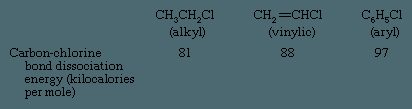
Чому важливий зв’язок
Швидкість реакції часто зводиться простому компромісу: наскільки важко розірвати зв’язок? Існує приблизна кореляція між міцністю зв’язку та швидкостями реакцій у галогенорганічних сполуках. Чим міцніший зв’язок вуглець-галоген, тим повільніше протікає реакція. Саме тому багато поширених і корисних перетворень, які успішно протікають з алкілгалогенідами, дають збій при застосуванні до вінілових або арилгалогенідів. Зв’язки у цих структурах надто міцні. Швидкість реакції знижується настільки низько, що процес стає непрактичним. Ви не можете змусити протікати реакцію, що відмовляється рухатися.
Як структура визначає реакційну здатність
Щоб зрозуміти, чому одні молекули реагують швидше за інші, потрібно подивитися на їх скелет. Алкілгалогеніди, які зазвичай позначаються як RX, де R – алкільна група, а X – F, Cl, Br або I класифікуються за ступенем заміщення. Ця класифікація не довільна. Вона відбиває ступінь заміщення конкретного атома вуглецю, що з галогеном.
- Первинні алкілгалогеніди : Вуглець, що утримує галоген, пов’язаний лише з одним іншим атомом вуглецю.
- Вторинні алкілгалогеніди : Той самий атом вуглецю пов’язаний з двома іншими атомами вуглецю.
- Третичні алкілгалогеніди : Вуглець пов’язаний з трьома іншими атомами вуглецю.
Ця структурна відмінність служить як для цілей номенклатури. Воно визначає стеричні перешкоди та електронне оточення, що, у свою чергу, впливає на те, наскільки легко нуклеофіл може атакувати чи група, що йде, може залишити молекулу. Чим більше атомів вуглецю створюють сором навколо реакційного центру, тим важче протікає реакція.
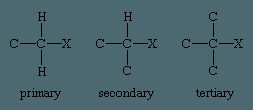
Чому структура визначає реакційну здатність алкілгалогенідів
Спосіб отримання алкілгалогеніду або реакції, до яких він вступає, не випадкові. Це залежить від простого структурного факту: чи є атом вуглецю, пов’язаний із галогеном, первинним, вторинним чи третинним. Ця відмінність важлива, тому що зв’язок вуглець-галоген за своєю природою нерівномірний.
Галоген приваблює електрони. Він відтягує загальні електрони у зв’язку C-X себе, залишаючи атом вуглецю з частковим позитивним зарядом (δ+), а атом галогену — з частковим негативним зарядом (δ-). Це створює полярний ковалентний зв’язок, роблячи більшість алкілгалогенідів полярними сполуками в цілому.
Можна було б очікувати, що сила цього тяжіння сильно варіюється в залежності від того, який галоген приєднаний. Зрештою, фтор малий і електронегативний, а йод великий і «м’який». Однак дипольні моменти молекул не сильно змінюються від одного галогену до іншого. Чому? Через боротьбу двох факторів: заряду та відстані. Диполь зв’язку дорівнює добутку члена заряду (найбільшого для фтору, найменшого для йоду) та члена відстані (найменшого для фтору, найбільшого для йоду). Ці протилежні тенденції компенсують одна одну, зберігаючи загальну полярність щодо постійної групи.
Ціна розриву зв’язку вуглець-галоген
При реакціях алкілгалогенідів зазвичай розривається зв’язок вуглець-галоген. Галоген йде, несучи обидва електрони, і перетворюється на негативно заряджений іон (X−). Цей процес, званий гетеролітичним розривом, є ключем до більшої частини хімії органічних галогеновмісних сполук.
Легкість цього розриву залежить від міцності зв’язку. Зв’язок вуглець-фтор є найміцнішим у ряду. Зв’язок вуглець-йод – найслабкіший. Отже, алкілфториди notoriously неактивні в порівнянні зі своїми аналогами. Алкіліодиди, завдяки слабшим зв’язкам, є найбільш реакційноздатними. Якщо ви шукаєте, який алкілгалогенід реагує найшвидше в реакціях заміщення, відповіддю зазвичай буде йодид.
Температури кипіння і сила поляризуемості
Фізичні властивості, такі як температури кипіння, розповідають іншу історію, керовану тим, наскільки легко можна деформувати електронну хмару атома. Ця властивість називається поляризованістю. При русі вниз групою галогенів — від фтору до йоду — збільшується атомний номер, разом із і поляризуемость.
Фтор жорсткий та його важко деформувати. Йод великий і «м’який», його електричне поле легко спотворюється під впливом поблизу зарядів. Ця деформація створює тимчасові диполі, що призводить до сильніших сил Лондона (дисперсійних сил) між молекулами. Більш сильні міжмолекулярні сили означають, що з поділу молекул потрібно більше тепла. Таким чином, температури кипіння етилгалогенідів steadily зростають у міру збільшення атомного номера галогену.
Багаторазове заміщення галогеном зазвичай посилює цей ефект. Подивіться на хлоровані метани:
* CH3Cl кипить при −24 °C
* CH2Cl2 кипить при 40 °C
* CHCl3 кипить при 61 °C
* CCl4 кипить при 77 °C
Кожен доданий атом хлору збільшує масу і поляризацію, підвищуючи температуру кипіння.
Вилучення фтору
Фтор порушує правило. Додавання кількох атомів фтору до алкану насправді знижує температуру кипіння. Це здається нелогічним, якщо не враховувати поляризованість. Фтор настільки електронегативний і так міцно утримує свої електрони, що стає менш поляризованим при заміщенні.
Порівняйте фторовані етани та метани:
* CH3CH2F : −32 °C
* CH3CHF2 : −25 °C
* CH3CF3 : −47 °C
* CF3CF3 : −78 °C
Падіння різке. Зменшуючи молекулярну поляризуемість, багаторазове фторування послаблює сили Лондона. У рідинах це призводить до аномально низьких температур кипіння. У твердому стані це надає фторвуглецевим полімерам унікальні властивості, часто роблячи їх виключно стабільними та стійкими до нагрівання.
Щільність і розчинність: питання ваги
Щільність алкілгалогенідів паралельна температурам кипіння, оскільки обидві пов’язані з міжмолекулярними силами. Алкілфториди мають найменшу щільність, а алкіліодиди – найбільшу.
Це має практичні наслідки для поводження з цими хімікатами. Алкілфториди та хлориди, як правило, легші за воду; вони спливають. Алкілброміди та йодиди важчі; вони тонуть. Незалежно від галогену, алкілгалогеніди мають одну спільну рису: вони не розчиняються у воді. Полярного зв’язку C X недостатньо, щоб подолати енергію, необхідну для розриву сильних водневих зв’язків між молекулами води.
Хімічна фабрика океану
Ми часто думаємо про галогеновмісні сполуки як про промислові продукти, але природа є плідним виробником. Біологічні процеси виділяють величезну кількість цих хімічних речовин, особливо у морських середовищах.
Хлорметан (метилхлорид) є яскравим прикладом. Природні біологічні процеси виробляють понад п’ять мільйонів тонн цієї речовини щорічно. Більшість із них надходить із океанів, де морські водорості та ламінарії виробляють його. Наземні гриби також роблять свій внесок, хоча і в менших кількостях. Людська діяльність, вулканічні викиди та лісові пожежі додають в атмосферу менше 250 000 тонн на рік – краплю у морі порівняно з біологічним виходом.
Організми, що мешкають в океані, також є джерелом бромметану та йодметану. Різноманітність приголомшує. Дослідники ідентифікували більше 50 органогалогенных сполук тільки в одному вигляді гавайської червоної водорості Asparagopsis taxiformis. До них відносяться складні молекули, такі як CHBr3, CHBrClI та BrCH2CH2I. Фактично практично кожна досліджена морська рослина виробляє органогалогенні сполуки, багато з яких мають складну структуру, що перевершує наші синтетичні можливості за складністю.
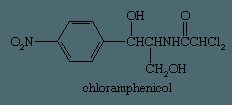
Це природне достаток – не просто хімічна цікавість. Деякі з цих речовин мають пряме фармацевтичне значення. Хлорамфенікол, добре відомий антибіотик, виробляється бактерією Streptomyces venezuelae. Це яскраве нагадування, що зв’язок вуглець-галоген, які ми вивчаємо в лабораторії, — це не просто синтетичні конструкції, а фундаментальні компоненти хімічного інструментарію життя.
Рідкість природного фтору
Природа не роздає атоми фтору навмання. Це скупий елемент, що ховається у тінях періодичної таблиці життя. Коли ви все ж таки знаходите його в дикій природі, він зазвичай укладений у специфічні, маловідомі структури. Найпоширеніші приклади? ω-фторовані жирні кислоти. Префікс «омега» просто вказує на те, що фтор захований у кінці вуглецевого ланцюга, далеко від карбоксильної групи.
Але не дозволяйте простій структурі ввести вас в оману. Ця хімія смертельно небезпечна.
Візьміть Dichapetalum cymosum, південноафриканську рослину. Воно виробляє фтороцтову кислоту (FCH2CO2H). З’їжте її – і у вас великі проблеми. Кислота блокує дихання клітин, зупиняючи виробництво енергії на молекулярному рівні. Це не просто токсин; це метаболічна пастка.
Є родич цієї рослини, інший вид Dichapetalum, який грає в ту ж гру, але з більш тривалим часом затримки. Він містить 16-фторгексадеканову кислоту (FCH2(CH2)14CO2H). Ви з’їдаєте її. Вона виглядає як звичайна молекула жиру. Але всередині вашого тіла ферменти відщеплюють хвіст. Що лишається? Фтороцтова кислота. Отрута активується лише після метаболізму. Ідеальна біологічна троянська конячка.
Як ми їх отримуємо?
Оскільки природа така вибіркова, хімікам доводиться синтезувати ці фторвмісні сполуки в лабораторії. Ми більше не просто збираємо їх із кущів. Їх треба творити.
Існує три основні способи отримання алкілгалогенідов, будівельних блоків для цих фторованих ланцюгів.
Перший метод – це класична реакція спирту з галогеноводородом. Подайте це як заміну гідроксильної групи (-OH) на галоген (наприклад, Br, Cl або I). Це реакція заміщення. Простий приклад – отримання 1-бромбутану з 1-бутанолу.
Ви берете спирт.
Додаєте HBr.
Кисень протонується.
Вода йде.
Іон бромід атакує.
Ви отримуєте алкілгалогенід.
Це просто. Це для первинних спиртів. Це не працює для третинних (тому що вони прагнуть елімінування). Але для прямих спиртів, з яких нам треба почати, це перший перший крок.
Проблема фтору
Ось у чому каверза. Ви не можете просто замінити цей кисень на фтор за допомогою HF. Фтороводнева кислота дуже реактивна і небезпечна. Вона атакує все. Скло? Зникає. Шкіра? Зникає. Кістки? Теж зникають.
Тому, якщо ми хочемо отримати ту саму фтороцтову кислоту або ту саму 16-фторгексадеканову кислоту, ми не можемо просто змішати спирт із джерелом фтору. Нам треба діяти хитріші. Нам потрібно використовувати спеціальні реагенти, такі як DAST чи Deoxo-Fluor. Вони м’якші. Вони орієнтовані безпосередньо на кисень. Вони не руйнують вуглецевий скелет.
Саме тому фторовані природні продукти рідкісні та у лабораторіях. Це важка робота. Це дорого. Це небезпечно.
Але коли це виходить, результат унікальний

Вибір правильного шляху для алкілгалогенідів
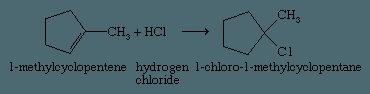
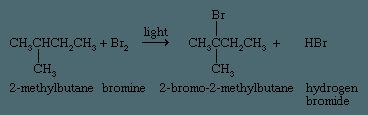
Хімія стає складнішою, коли ми розглядаємо третій варіант: вільнорадикальне галогенування алканів. Це справді можливий маршрут. Але таким самим маршрутом є приєднання галогеноводороду до алкену.
Ось у чому проблема. Жоден із цих методів не є ідеальним для всіх ситуацій. Кожен має недоліки, що обмежують його універсальність. Вибір реакції залежить тільки від конкретної структури, яку ви хочете отримати. Ви вибираєте інструмент, який підходить для завдання.
Короткий шлях до вінілових дигалогенідів
Потім є вінілові дигалогеніди. Це сполуки, в яких атоми галогенів знаходяться за сусідніх атомів вуглецю. Отримати їх нескладно. Потрібно просто відреагувати галоген з алкеном.
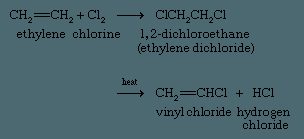
Візьмемо етилен. Прореагуємо його з хлором. Отримаємо 1,2-дихлоретан. Також відомий як етиленхлорид.
Це конкретна хімічна речовина — не просто лабораторна дивина. Це велетень. Воно лідирує серед інших органогалогенных сполук за річним обсягом виробництва. Йдеться майже про 20 мільйонів тонн щороку по всьому світу.
Від вінілхлориду до ПВХ
Так що ж відбувається з усією цією кількістю?
Більша його частина не залишається у вигляді 1,2-дихлоретан. Вона перетворюється на вінілхлорид. Потім цей проміжний продукт полімеризується. В результаті виходить полівінілхлорид. Або ПВХ.
Він потрапляє у труби. У сайдинг. Підлога. Шлях від простого алкену до величезного промислового товару спирається ці специфічні стадії галогенування. Масштаби виробництва доводять, що, незважаючи на обмеження методів, вони незмінно ефективні за умови правильного вибору для цільової молекули.
Хімія проста. Логістика масштабна.
Від хлорметану до силіконів
Описані раніше методи найкраще підходять, якщо ви прагнете отримати алкілхлориди або алкілброміди. Якщо вам потрібні алкілфториди чи алкіліодиди, шлях зазвичай відрізняється. Ви зазвичай починаєте з хлориду або броміду і замінюєте галоген за допомогою нуклеофільного заміщення.
Але давайте розглянемо головного гравця у просторі одновуглецевих органічних галогенідів. Хлорметан — це не просто лабораторна дивина. Це найважливіша сировина для одержання дихлордиметилсилану, хімічна формула якого (CH3)2SiCl2. Це проміжне з’єднання є прямим попередником силіконових полімерів. Речовини, що містяться у ваших герметиках, медичних імплантатах і, можливо, у покритті вашої антипригарної сковороди, все це сходять до нього.
Стандартом у промисловості для виробництва цієї життєво важливої сполуки є проста хімія. Ви берете метанол. Реагуєте його з газоподібним хлороводнем. В результаті виходить хлорметан.


Термічний маршрут: високотемпературне хлорування в газовій фазі
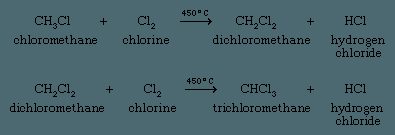
Хоча перший метод домінує світовому ринку, не описує всю картину цілком. Близько третини всього річного виробництва хлорметану припадає на зовсім інший процес: високотемпературне хлорування метану в газовій фазі. Це не м’який процес. Він покладається на тепло, щоб змусити метан і хлор вступити в реакцію, утворюючи потік хлорованих продуктів, які потім поділяються на основі їх температур кипіння.
Цей термічний підхід має вирішальне значення, оскільки забезпечує сировиною наступний рівень хімічної ієрархії. Вихідний продукт не обмежується хлорметаном.
Цей початковий продукт стає сировиною для виробництва дихлорметану. Піддаючи хлорметан подальшому хлоруванню, виробники отримують цей універсальний розчинник. Дихлорметан можна знайти в засобах для видалення фарби, де він діє як потужний знежирювач, а історично використовувався як пропелент в аерозольних балончиках. Це розчинник, який розчиняє речовини, недоступні для інших хімікатів.
Але ланцюгова реакція цьому не закінчується. Сам дихлорметан є лише проміжною ланкою. Якщо його піддати хлоруванню ще раз, вийде трихлорметан, більш відомий як хлороформ. Ця багатоступінчаста модель виробництва – від метану до хлорметану, потім до дихлорметану і, нарешті, до трихлорметану – пояснює, чому галузь приділяє стільки уваги оптимізації першого високотемпературного етапу. Якщо ефективно контролювати початкове хлорування, ви контролюєте ланцюжок постачання всього сімейства наступних розчинників.
Прихована вартість стабільних газів
Ми припинили виробництво багатьох одно- або двовуглецевих органогалогових сполук. Не тому, що вони перестали працювати, а тому що перестали бути безпечними. Ризики були надто високі. Виснаження озонового шару. Світове потепління. Канцерогенність. Токсичність. Список причин для зупинки виробництва величезний.
Візьмемо хлорфторвуглеці, або ХФУ. Типовим прикладом є дихлордифторметан (CCl2F2), відомий у промисловості як ХФУ-12.
У 1930-х роках вони здавалися дивом. Безпечні. Стабільні. Нетоксичні. Вони майже одразу стали стандартним холодоагентом. Промисловість їх полюбила, бо не розкладалися. Чи не вступали в реакції. Вони просто були там, виконуючи свою роботу всередині холодильної установки.
Потім настали 1970-ті роки.
Американські хіміки Ф. Шервуд Роуленд та Маріо Моліна виступили з дослідженнями. До них приєднався голландський хімік Поль Крютцен. Їхні дослідження змінили все. Вони виявили зв’язок між цими інертними газами та витонченням озонового шару над Антарктидою. Трійця розділила Нобелівську премію з хімії 1995 за це відкриття.
Проблема була не на рівні землі. А у небі. А саме у стратосфері. Цей регіон знаходиться приблизно за 10–50 км (6–30 миль) над поверхнею Землі. ХФУ, будучи такими стабільними, не розкладалися в нижніх шарах атмосфери. Вони піднімалися вгору. Вони дифундували у стратосферу.
Там вони зустрілися зі своєю силою.
Ультрафіолетове випромінювання впливало на молекули. Воно викликало дисоціацію. Зв’язки вуглець-хлор розривалися. В результаті утворювалися атом хлору та радикал хлордифторметилу.
Вільний радикал – це частка з однією або декількома неспареними електронами.
Неспарені електрони нестабільні. Вони реагують. Вони шукають партнерів. І у верхніх шарах атмосфери ця реактивність означала лихо для озону.

Коли молекули озону розпадаються у верхніх шарах атмосфери, в повному обсязі утворюються фрагменти однаково значимі. Хоча в результаті дисоціації виникає кілька продуктів, саме атом хлору є тим, що завдає основної шкоди. Він залишається пасивним. Він входить у реакцію.
Атом хлору забирає атом кисню у навколишнього озону. Це просте «викрадення» перетворює стабільний озон на монооксид хлору. Це прямий удар. Початкова молекула озону позбавляється свого компонента. Монооксид хлору, що утворюється, є безпосереднім побічним продуктом цієї атаки.
Цей єдиний крок запускає ланцюгову реакцію. Один атом хлору може знищити тисячі молекул озону, перш ніж він буде вилучений зі стратосфери. Ефективність цього процесу робить хлор головним винуватцем стоншення озонового шару. Він не просто учасник. Він – двигун.
Чому хлор домінує в реакції
Значимість хлору полягає у його реакційній здатності. Інші побічні продукти дисоціації озону можуть існувати, але вони не підтримують цикл руйнування так само ефективно. Монооксид хлору є ключовою проміжною сполукою. Він створює умови для подальших реакцій, які вивільняють атом хлору назад у цикл, готовий знову завдати удару.
Ця каталітична поведінка означає, що мінімальна кількість хлору може завдати максимальних збитків. Наука тут проста. Вплив – глобальний. Розуміння цього конкретного шляху пояснює чому контроль за викидами хлору став терміновим пріоритетом для екологічної політики. Інші побічні продукти у цій конкретній драмі значною мірою є спостерігачами.

Атом хлору не зупиняється однією знищеному молекулі озону. Це – цикл. Після реакції з озоном він утворює монооксид хлору, який розщеплює другу молекулу озону. В результаті знову утворюється вільний атом хлору. Готовий діяти знову. І знову. У результаті єдиний атом руйнує тисячі молекул озону.
Це важливо, тому що озон блокує ультрафіолетове випромінювання. Менше озону – отже, більше УФ-променів досягає поверхні. Більше УФ-променів – вищий ризик розвитку раку шкіри. Реакція була швидкою. 1987 року Програма ООН з навколишнього середовища розробила Монреальський протокол. До 1990 більшість промислово розвинених країн погодилися поетапно відмовитися від хлорфторвуглеців (ХФУ) до 2000 року. Договір згодом еволюціонував. Розвинені країни поки що ще можуть використовувати деякі ХФУ, такі як хлорметан. Очікується, що вони припинять їхнє використання до 2030 року.
Бром ще один винуватець. Бромметан, або бромистий метил, виснажує озоновий шар так само агресивно. Від нього передбачалося відмовитись до 2005 року. Натомість розвинені країни отримали винятки. Світове виробництво досягло стелі 13 000 метричних тонн у 2006 році. Це було на 20% менше, ніж роком раніше. Країнам, що розвиваються, було дано час до 2015 року для поетапної відмови від нього. Більшість бромметану в атмосфері надходить через океанічну біологію. Близько чверті виробляється фермерами, які використовують його як ґрунтовий фумігант.
Реакції алкілгалогенідів
Алкілгалогеніди хімічно універсальні. Вони легко обмінюються партнерами. Ця реакційна здатність визначає три основні типи реакцій.
Нуклеофільне заміщення – перше з них. Нуклеофіль атакує молекулу. Галоген відходить. Він замінюється киснем, сіркою, азотом або іншим вуглецевим ланцюгом. Це ключовий шлях для перетворення алкілгалогенідів на інші класи сполук.

У більшості реакцій нуклеофільного заміщення заряджений нуклеофіл негативно не приходить один. Він поставляється у вигляді іонної солі, зазвичай у парі з катіоном натрію або калію. Уявіть це як Na+Y− або K+Y−. Іон металу виступає лише як глядач, масивна протиіонна маса, яка утримує реактивний аніон Y в розчиненому стані і готовим до атаки. Така схема є стандартною, оскільки ці солі стабільні, зручні у використанні і добре розчиняються в полярних розчинниках.
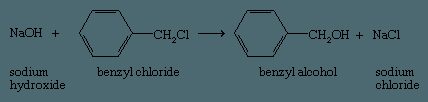
Візьмемо реакцію між гідроксидом натрію та бензилхлоридом. Це класичний приклад такої взаємодії. Тут гідроксид-іон (OH− ) діє як нуклеофіл. Він несе негативний заряд, який обумовлює атаку. Іон натрію (Na+ ) знаходиться поряд, балансуючи заряд, але практично не беручи участі в інших процесах. Бензилхлорид надає мету атом вуглецю, пов’язаний з атомом хлору. Цей атом вуглецю має частковий позитивний заряд, оскільки він притягується електронегативним хлором. Це робить його привабливим місцем для приєднання гідроксид-іону.
Чому важливий катіон
Можливо, ви запитаєте, навіщо взагалі потрібні натрій чи калій. Чому б не використовувати голий аніон? Відповідь криється в розчинності та стабільності. Вільні електрони не просто так плавають у колбі. Їм потрібний партнер. Солі натрію та калію надають такого партнера. Вони дозволяють нуклеофілу існувати в розчині, не вступаючи негайно в небажані реакції самі з собою або розчинником.
Розмір катіону також відіграє тонку роль. Калій більший за натрій. Це іноді робить сіль калію більш розчинною в органічних розчинниках. У деяких реакціях заміна натрію калію може прискорити процес. Не тому, що змінюється хімія, а тому, що більше нуклеофілу стає фактично доступним для реакції. Це невелике коригування, яке може вплинути на вихід продукту.
Сама атака
Коли гідроксид натрію зустрічається з бензилхлоридом, гідроксид-іон не вагається. Він націлюється на атом вуглецю, пов’язаний із хлором. Це класичний механізм SN2. Нуклеофіл атакує з протилежного боку від групи, що йде. У міру утворення нового зв’язку між киснем і вуглецем зв’язок між вуглецем та хлором слабшає. Потім вона розривається. Хлор іде як хлорид-иона (Cl− ), несучи із собою свої електрони. В результаті виходить бензиловий спирт. Іон натрію зв’язується з хлоридом, утворюючи хлорид натрію, який випадає в осад або залишається в розчині залежно від розчинника.
Металевий катіон – не просто пасажир. Він впливає на розчинність, швидкість реакції та іноді навіть на стереохімічний результат.
Ця проста заміна ілюструє основний принцип нуклеофільного заміщення. Негативно заряджена частка шукає позитивно заряджений центр. Вона утворює новий зв’язок. Вона витісняє стару. Сіль натрію чи калію – це лише система доставки. Реальна дія відбувається за перерозподілу електронів. Це фундаментальний танець заряду та структури.
Практичне значення
Чому це важливо поза межами підручника? Бензилхлорид та гідроксид натрію – поширені реагенти в промисловому синтезі. Продукт, бензиловий спирт, використовується в парфумерії, харчовій промисловості (ароматизатори) та як консервант. Ефективність цієї реакції залежить від вибору правильної солі. Занадто низька розчинність призводить до зупинки реакції. Занадто
Як міцність зв’язку визначає реакційну здатність алкілгалогенідів
Швидкість реакції алкілгалогеніду залежить від одного фактора: наскільки міцно атом вуглецю утримує галоген. Це свого роду перетягування канату.
Алкіyliодиди виграють цю гонку, тому що зв’язок вуглець-йод слабка. Вона легко розривається. Це робить їх найбільш реакційними в реакціях нуклеофільного заміщення. Вони швидко реагують.
Алкілфториди поводяться протилежним чином. Зв’язок вуглець-фтор надзвичайно міцний. Її розрив утруднений. В результаті вони реагують настільки повільно, що у стандартних лабораторних умовах ви рідко побачите, як вони вступають у реакції нуклеофільного заміщення.
Вибір нуклеофілу для отримання конкретних продуктів
Ви не обмежені лише одним типом продукту. Вибираючи правильний нуклеофіл, ви можете направити реакцію шляхом утворення різних класів органічних сполук.
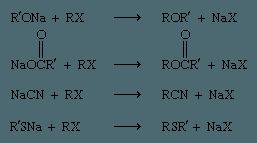
Вибір партнера визначає кінцеву структуру. Замініть нуклеофіл і ви отримаєте зовсім іншу молекулу. Поширені продукти включають:
- Ефіри (ROR′): Утворюються при атаці алкоксид-іону.
- Ефіри карбонових кислот (RCOOR’): Виходять з нуклеофілів на основі карбоксилат-іонів.
- Нітрили (RCN): Синтезуються з використанням ціанід-іонів.
- Сульфіди (RSR′): Створюються за допомогою тіолат- або сульфід-нуклеофілів.
Ця гнучкість робить реакції нуклеофільного заміщення настільки корисними. Ви не просто змінюєте атоми. Ви конструюєте певні архітектурні структури. Міцність зв’язку у вихідній речовині задає темп. Нуклеофіл визначає напрямок.
Одержання алкілфторидів зазвичай означає примус фториду діяти як нуклеофіл. Ви берете алкілхлорид, бромід або йодид та обробляєте його джерелом фториду, наприклад, фторидом натрію (NaF). Класичне рівняння виглядає простим: NaF+RX → RF+NaX. Здається, все просто. Але є нюанс. Реакція технічно оборотна.
То чому ж перемагає алкілфторид?
Вся справа у міцності зв’язку. Зв’язок вуглець-фтор значно міцніший, ніж зв’язок вуглець-хлор, вуглець-бром або вуглець-йод. Ця термодинамічна стабільність зміщує рівновагу праворуч. Хоча обмін може відбуватися і у зворотному напрямку, продукт праворуч настільки стабільний, що його неможливо ігнорувати. Переважає алкілфторид.
Міцність зв’язку вуглець-фтор призводить до того, що алкілфторид переважає алкілхлорид, бромід або йодид.
Отримання алкіліодидів – це зовсім інша історія. Тут ви не покладаєтеся на міцність зв’язку, щоб рушійною силою реакції. Ви покладаєтеся на правила розчинності.
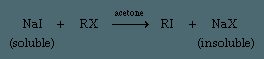
Щоб отримати алкіліодид із хлориду або броміду, їх реагують з йодидом натрію (NaI), розчиненим в ацетоні (CH3COCH3). Це відоме як реакція Фінкельштейна. Це хитрий трюк, тому що він використовує фізичні властивості, а не лише хімічну спорідненість.
В ацетоні йодид натрію розчиняється із задоволенням. Але чи побічні продукти? Не дуже. Хлорид натрію (NaCl) та бромід натрію (NaBr) нерозчинні в ацетоні. Як тільки вони утворюються, вони випадають із розчину у вигляді твердого осаду.
Це видалення продукту із суміші змушує рівновагу зміститися праворуч. Принцип Ле Шательє виконує основну роботу. Фізично видаляючи NaCl або NaBr, реакція немає вибору, крім як продовжувати їх виробляти. Зворотна реакція не може статися, тому що необхідні іони замкнені у твердому стані, плаваючи на дні колби.
Який метод слід використати?
Якщо ви хочете отримати йодид, трюк з ацетоном надійний. Якщо ви хочете отримати фторид, ви ставите чисту міцність зв’язку C-F. Обидва методи показують, що хімія — це не лише зв’язування атомів. Це про довкілля. Розчинності. Стабільність. Невидимі сили, які тягнуть реакції в одному чи іншому напрямку.
Атака зі зворотного боку
Серед хіміків існує загальна думка щодо того, як реагують алкілгалогеніди. Нуклеофіл не просто стикається з молекулою. Він підходить з протилежного боку від групи, що йде.
Це не двоетапний процес. Він відбувається в один прийом.
Утворюється перехідний стан. Це високоенергетична, нестабільна структура, яку неможливо виділити. У цей швидкоплинний момент атом вуглецю частково пов’язаний як з вхідним нуклеофілом, так і з групою, що йде.
Оскільки в цій єдиній стадії беруть участь два різні види, процес визначається як бимолекулярний.
Цей конкретний шлях відомий як механізм SN2. Абревіатура розшифровується як нуклеофільне бимолекулярное заміщення. Вона визначає пряме заміщення. Стара група йде, в той час, як нова приходить. Проміжного продукту немає. Тільки один безперервний рух від початку до кінця.
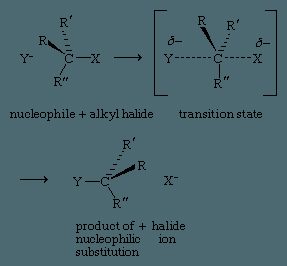
Швидкість бімолекулярної нуклеофільної реакції заміщення не випадкова. Вона залежить від одного фізичного факту: наскільки багато місця доступно для атаки вхідної молекули. Саме це лежить в основі концепції “стеричних перешкод” – ідеї про те, що об’ємні групи фізично блокують доступ до реакційного центру.
Розглянемо ієрархію реакційної здатності алкілгалогенідів в реакції SN2. Метилгалогеніди, де вуглець пов’язаний тільки з атомами водню ($CH_3X$), найшвидше реагують. Тут практично немає сором’язливості. Перехідний стан є відкритим. Нуклеофіл може підійти до атома вуглецю і витіснити групу, що йде, одним плавним рухом, не зачіпаючи нічого.
Первинні алкілгалогеніди ($RCH_2X$) йдуть слідом. Вони реагують швидше, ніж вторинні алкілгалогеніди ($RR’CHX$), які, у свою чергу, обганяють третинні алкілгалогеніди ($RR’R”CX$). Відмінність полягає у структурі. У міру заміни атомів водню на алкільні групи (R, R’, R’) простір навколо центрального атома вуглецю звужується.
«Послідовна заміна R, R′ і R″ алкільними групами дедалі більше ускладнює підхід нуклеофіла до атома вуглецю, робить перехідний стан тіснішим і уповільнює швидкість реакції».
Уявіть собі, що ви намагаєтеся припаркувати машину в гаражі. Якщо гараж порожній (метил), ви швидко в’їжджаєте. Якщо в кутах складені коробки (первинна/вторинна), вам доводиться маневрувати, що уповільнює вас. Якщо гараж забитий під самий дах (третинний), ви взагалі не можете використовувати стандартні двері. Вам потрібний інший спосіб входу.
Саме це сором’язливість визначає “стеричні перешкоди”. Коли заступники малі, наприклад водень, перехідний стан не перевантажено. Реакція протікає швидко. Але в міру того, як алкільні групи стають більше і їх стає більше, вони створюють фізичний бар’єр. Нуклеофілу доводиться пробиватися крізь цей натовп, щоб дістатися електрофільного атома вуглецю. Цей опір значно уповільнює швидкість реакції.
Коли SN2 не працює: Виняток для третинних з’єднань
Третичні алкілгалогеніди настільки сильно схильні до стеричних перешкод, що механізм SN2 просто не працює. Задня сторона атома вуглецю повністю заблокована трьома алкільними групами, що оточують. Нуклеофіл не може отримати доступу до місця, необхідного для прямого заміщення.
Натомість ці молекули йдуть іншим шляхом. Вони undergo substitution (зазнають заміщення) через двостадійний механізм. Цей альтернативний маршрут, який часто називають $S_N1$, змінює правила взаємодії.
У цьому двостадійному процесі першою є повільна стадія. Вона визначає загальну швидкість реакції. Йде група відходить сама собою, утворюючи проміжне з’єднання — карбокатіон. Друга стадія, де нуклеофіл нарешті атакує, протікає швидко. Але оскільки перша стадія є «вузьким місцем», весь темп реакції диктується тим, як легко розривається початковий зв’язок, а не тим, як швидко нуклеофіл може проникнути всередину.
Цей перехід від одностадійного зіткнення до двостадійної дисоціації наголошує, чому молекулярна геометрія має більше значення, ніж просто хімічні формули. Форма молекули диктує механізм. А механізм диктує швидкість.
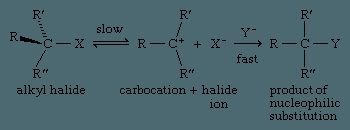
Коли повільна стадія хімічної реакції залежить від однієї молекули, механізм є мономолекулярним. Саме тому термін SN1 (нуклеофільне мономолекулярне заміщення) набув такого поширення. Процес починається з утворення карбокатіону. Це частка із позитивно зарядженим, електрон-дефіцитним атомом вуглецю. Він існує недовго. Карбокатіони нестабільні. Вони швидко реагують із нуклеофілами — речовинами, що мають неподілені електронні пари, готові до утворення нового зв’язку.
Перехід до елімінування
Нуклеофільне заміщення добре працює для первинних алкілгалогенідів, коли потрібен певний синтетичний результат. Але ситуація змінюється, якщо атакуюча частка є сильною основою. Наприклад, гідроксид-іон (-OH) або алкоксид-іон (-OR).
Для вторинних чи третинних алкілгалогенідів заміщення не є основним процесом. На перший план виходить елімінування.
Розглянемо реакцію між метоксидом натрію та 2-хлор-2-метилпропаном. Підстава не просто замінює собою інший атом. Воно ініціює елімінування. Сильна основа відщеплює протон, замість прямо атакувати атом вуглецю. Це повністю змінює шлях реакції, відводячи його від механізму заміщення.
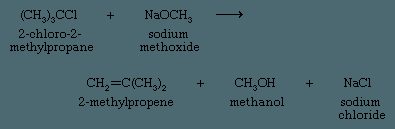
Подвійна природа метоксиду: атака чи абстракція?
Це — боротьба на молекулярному рівні. Метоксид – це не просто одна речовина. Це негативно заряджений іон із роздвоєною особистістю. В органічній хімії цей негативний заряд робить його неспокійним. Він може здійснювати дві абсолютно різні дії, і результат залежить від цього, який шлях він вибере.
Він може атакувати атом вуглецю. У цій ролі він діє як нуклеофіл. Він шукає місце для утворення зв’язку, щоб “осісти”. Або він може діяти як основа. У цьому випадку він відщеплює протон. Він відтягує атом водню, відриваючи його від молекули. Це шлях елімінування.
Змагання між двома шляхами визначає реакцію. Заміщення та елімінування є суперниками. Вони борються за той самий реагент. За той самий метоксид.
Ми відстежуємо цей хаос за допомогою позначень зігнутими стрілками. Це не просто малювання; це карта. Стрілки показують, куди рухаються електронні пари. Вони візуалізують розрив зв’язку. Вони показують утворення зв’язку. Без них ви ворожите. З ними ви бачите логіку зсуву.
Чому важливо, хто перемагає? Тому що змінюється продукт. Атака на вуглець? Ви отримуєте заміщення. Відщеплення протону? Ви отримуєте елімінування. Структура молекули повністю змінюється.
І той ж іон може перебудувати молекулу чи розкрити її.
Вибір не завжди очевидний. Умови зміщують баланс. Важливою є температура. Важливе середовище розчинника. Але в основі завжди лежить розв’язання цього негативного заряду: або закласти діру, або витягнути нитку.
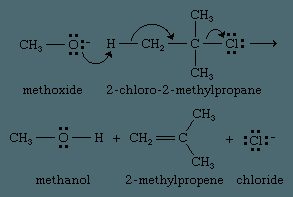
Синтез алкенів часто спирається на одностадійний процес, відомий як E2, або бімолекулярне елімінування. Ця назва не випадкова; воно свідчить про те, що у лімітуючої стадії реакції беруть участь дві молекули. Підстава атакує атом водню, тоді як галоген йде, і це відбувається одночасно. Реакція протікає швидко та безпосередньо.
Цей механізм є основним конкурентом нуклеофільного заміщення. Фактично, він є основною перешкодою для хіміків, які прагнуть ефективно замінити галогени на інші групи. Якщо ви хочете провести реакцію заміщення, вам постійно доводиться боротися із елімінуванням. Однак, ви можете змінити співвідношення на свою користь. Використовуючи досить сильну основу, ви змушуєте реакцію йти шляхом елімінування, роблячи дегалогенування домінуючим процесом. Це з основних методів отримання алкенів, наріжний камінь органічного синтезу, згадуваний у найбільш загальних дослідженнях вуглеводнів.
Виникнення органометалевих сполук
У той час, як елімінування видаляє атоми, інші реакції створюють нові. Багато металів, особливо представники 1-ї та 2-ї груп, відновлюють алкілгалогеніди. Вони не просто змінюють партнерів; вони повністю розривають зв’язок вуглець-галоген і утворюють зв’язок вуглець-метал.
Речовини, що містять цей специфічний зв’язок, називаються органометалевими сполуками. Вони реакційноздатні, леткі та надзвичайно корисні. Серед них виділяються сполуки магнію. Що мають формулу алкілгалогенідів магнію (RMgX), вони є найбільш універсальними з доступних органометалевих сполук. Вони більш відомі під іншою назвою.
Реагенти Гриньяра
Ці магнійсодержащие сполуки становлять основу класу реагентів, названих на честь Віктора Гриньяра. Це не просто теоретичні курйози. Це практичні інструменти для побудови складних каркасів вуглецю. Атом вуглецю, що з магнієм, несе частковий негативний заряд. Це робить його сильним нуклеофілом та сильною основою.
Ця двоїстість є їх силою. Вона дозволяє хімікам приєднувати алкільні групи до карбонільних атомів вуглецю, створюючи нові зв’язки вуглець-вуглець з високою точністю. Без цієї можливості синтез багатьох фармацевтичних препаратів та тонких хімічних продуктів був би набагато складнішим. Реакція чутлива до вологи. Вода руйнує реагент. Але у правильних умовах, під інертною атмосферою, реагент Гриньяра забезпечує надійний шлях до складних молекул. Він залишається фундаментальним методом у лабораторії органічної хімії, незважаючи на появу нових підходів.

Реагенти Гриньяра є робочою конячкою органічного синтезу. Ці органомагнієві сполуки, які називаються реагентами Гриньяра, цінуються за свою універсальність. Вони мають високу реакційну здатність, тому при роботі з ними потрібна обережність. Хіміки зазвичай готують та зберігають їх в інертних розчинниках. Стандартним вибором є діетиловий ефір. Суміш залишається стабільною у цьому розчиннику до моменту, поки вона не знадобиться для реакції.
Область застосування широка. Ви можете почати практично з будь-якого органогалогеніду. Це може бути алкіл-, алкеніл- або арілгалогенід. Якщо ви виберете алкілгалогенід, структура не має великого значення – він може бути первинним, вторинним чи третинним. Конкретний галоген також варіюється. Йодиди реагують з магнієм найенергійніше. Броміди поширені. Хлориди також працюють, хоч і повільніше. Навіть алкілфториди, які зазвичай опираються магнію, можуть бути перетворені, якщо використовувати спеціально активовану, високо реакційну форму металу.
Отримання спиртів за допомогою реагентів Гриньяра
Найбільш корисним застосуванням цих реагентів є одержання спиртів із альдегідів та кетонів. У процесі відбувається подовження вуглецевого ланцюга.
Коли реагент Гриньяра взаємодіє із формальдегідом, утворюється первинний спирт. Нова молекула містить на один атом вуглецю більше, ніж вихідний алкілгалогенід, використаний для отримання реагенту. Якщо замінити формальдегід на інший альдегід, ви отримаєте вторинний спирт. Кетони призводять до утворення третинних спиртів.
Існують інші шляхи отримання спиртів за допомогою цих реагентів. Їх можна реактивувати з епоксидами. Також працюють складні ефіри, хоча шлях реакції трохи складніший. Для подробиць про конкретні механізми цих реакцій стандартні підручники із синтезу спиртів та фенолів охоплюють ці деталі.
Вінілові галогеніди
Природне походження
Вінілові хлориди та броміди – це не просто лабораторні курйози. Вони зустрічаються у природі, зокрема, у морському середовищі. Цей клас з’єднань різноманітний. Вчені виділили кілька прикладів з летючої олії “Chondrococcus hornemanni”. Це червона водорість. Вона росте у Тихому океані.
p align=”justify”> При розгляді структурних формул цих природних продуктів існує стандартна угода. Кожна точка перетину двох ліній є атомом вуглецю. Кожен кінець лінії є атомом вуглецю. Атоми водню маються на увазі. Вони приєднуються до кожного атома вуглецю в міру необхідності задоволення валентності. Якщо мітка не вказує на інше, вважайте, що водні присутні.
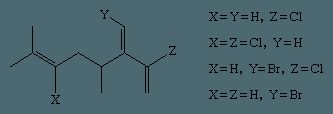
Отримання вінілових галогенідів з дигалогенідів
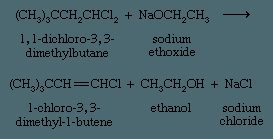
Вінілові галогеніди можна отримати, видаляючи атоми галогенів з дигалогенідів за допомогою основи. Цей процес називається дегалогеноводородування. Він застосовується до двох конкретних типів вихідних речовин.
По-перше, це гемадигалогеніди. Вони обидва атома галогену перебувають у тому самому атомі вуглецю.
По-друге, це віцинальні дигалогеніди. Галогени розташовані на сусідніх атомах вуглецю.
Зазвичай використовують етанат натрію. Змішують дигалогенід з цією основою. Реакція видаляє атом водню та атом галогену. В результаті утворюється подвійний зв’язок. З’являється вініловий галогенід.
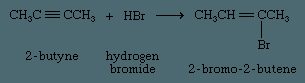
Приєднання до алкінів
Інший шлях простіше за концепцією, але складніше у виконанні. Беруть алкін. Приєднують галогеноводород. Потрійний зв’язок розривається. Утворюється подвійний зв’язок. Галогенід приєднується.
Ця реакція приєднання доповнює метод елімінування. Один спосіб створює подвійний зв’язок шляхом видалення атомів. Інший – шляхом їхнього приєднання. Обидва шляхи ведуть до мети. Вуглець-вуглецевий подвійний зв’язок з приєднаним галогеном.
Хіміки вибирають метод залежно від наявних речовин. Важлива доступність. Важлива керованість процесу. Якщо потрібна певна стереохімія, один шлях може виявитися кращим за інший. Але фундаментальні засади залишаються незмінними. Вуглець прагне утворення зв’язків. Галогени є хорошими групами, що йдуть, або хорошими об’єктами для приєднання. Математика процесу сходиться.
Чому це важливо? Вінілові галогеніди – не просто лабораторні курйози. Це інтермедіати. Вони зустрічаються у фармацевтичних препаратах. Вони є в агрохімікатах. Вони є прекурсорами для складніших молекул. Знання надійних способів їх отримання є частиною роботи.
Немає єдиного ідеального способу отримання кожного вінілового галогеніду. Ви оцінюєте вихідний матеріал. Вибираєте реагент. Спостерігайте за реакцією. Іноді вона протікає миттєво. Іноді затягується. Такою є природа органічного синтезу. Це більше схоже на переговори з молекулами, ніж на дотримання рецепту.
Роль основи
При використанні етанату натрію важлива концентрація. Важливою є температура. Важливим є вибір розчинника. Часто використовують етанол. Він розчиняє як основу, і органічний субстрат. Але підходять інші розчинники.
Підстава відщеплює протон. Електрони перерозподіляються. Галоген йде. Це може статися за один крок або два. Механізм E2 уражає сильних підстав. Механізм E1 може виявитися, якщо умови відповідні. Структура дигалогеніду визначає шлях реакції.
Гемадигалогеніди часто дають більш чисті результати. Галогени знаходяться близько один до одного. Геометрія сприяє елімінуванню. Віцинальні дигалогеніди можуть давати складну суміш. Можна отримати різні ізомери. Можна отримати подвійний зв’язок у неправильному положенні. Регіоселективність – постійна проблема.
Чому б просто не використовувати алкіни?
Приєднання HX до алкін здається простим. Чому б не використовувати цей метод для всього?
Застосовується правило Марковнікова. Водень приєднується до атома вуглецю із великою кількістю атомів водню. Галоген приєднується до заміщеного атома вуглецю. Це добре працює у багатьох випадках. Але це обмежує ваші можливості. Ви отримаєте те, що дає правило.
Дегалогеноводородування пропонує більшу гнучкість. Можна розпочати з насиченого вуглецевого скелета. Спочатку вводять галогени. Потім проводять елімінування. Цей двоетапний підхід дозволяє контролювати місце утворення подвійного зв’язку. Він дозволяє вибрати, на якому атомі вуглецю знаходитиметься гал
Вінілхлорид – це не просто хімічна дивина. Це наймасовіше вініловий галогенід у промислових масштабах. Його формула проста: CH2=CHCl. Однак шлях до нього потребує специфічної схеми. Виробники не починають із подвійного зв’язку. Вони починають з 1,2-дихлоретану (ClCH2CH2Cl). Цей насичений попередник піддається крекінгу або елімінуванню, утворюючи реактивний мономер вінілхлориду, що використовується для виробництва ПВХ.
Хімія стає складною, коли ви розглядаєте, як ці зв’язки утворюються у лабораторії. Зокрема йдеться про приєднання галогеноводороду до алкіну.
Поетапне приєднання до потрійних зв’язків
Алкіни містять вуглець-вуглецевий потрійний зв’язок. Вона багата на електрони і притягує електрофіли. Коли ви вводите галогеноводород, такий як HCl або HBr, можна було б очікувати на хаотичну суміш продуктів. Але це не відбувається.
Перший етап приєднання значно швидше за другий. Ця кінетична різниця є ключовою.
Коли галогеноводород атакує потрійний зв’язок, він розриває один пі-зв’язок. В результаті утворюється вініловий галогенід. Ця молекула все ще містить подвійний зв’язок. В одного вуглецю приєднано два атоми водню, а в іншого — галоген (або навпаки, залежно від правила Марковникова).
Чи можна зупинитись на цьому етапі? Так. Оскільки друге приєднання протікає повільніше, ви можете виділити вініловий галогенід до того, як він прореагує далі. Якщо продовжувати додавати надлишок галогеноводороду, він атакує подвійний зв’язок, що залишився. Це призводить до утворення гемадигалогеніду, де обидва атоми галогену виявляються на одному вуглеці. Але для багатьох програм метою є зупинка на стадії моноприєднання.
«Приєднання першої молекули відбувається швидше, ніж другий, і вініловий галогенід може бути виділений.»
Ця селективність має велике значення. Вона дозволяє хімікам створювати складні молекулярні каркаси, не перенавантажуючи структуру зайвими галогенами. Це контрольований “краш”. Один зв’язок розривається. Молекула змінює форму. І потім, зазвичай, реакція зупиняється.
Чим вінілгалогеніди та вінілові галогеніди різняться за реакційною здатністю
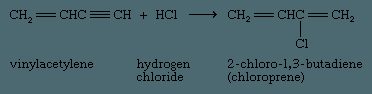
Створення хлоропрену – ключового мономеру для виробництва неопренової гуми – починається з вінілацетилену. Однак не кожен вініловий галогенід слідує стандартному промисловому рецепту. Деякі вимагають спеціалізованих, специфічних для речовини методів, щоб навіть існувати у чистому вигляді.
Візьміть тетрафторетилен ($CF_2=CF_2$). Ви не знайдете його в банку, що очікує на використання. Він утворюється при нагріванні хлордифторметану ($ClCHF_2$) до екстремальних температур, від 600 до 750 °C (1100–1400 °F). Цей високотемпературний процес дає мономер, необхідний для побудови політетрафторетилену (PTFE) полімеру, більш відомого під торговою маркою тефлон. Хімія тут агресивна. По суті, ви змушуєте молекулу розпадатися і перебудовуватись під інтенсивною тепловою напругою, щоб отримати подвійні зв’язки, необхідні для полімеризації.
Чому вінілгалогеніди пручаються заміщенню
Отримавши ці галогеніди, можна було б очікувати, що вони будуть поводитися так само, як алкілгалогеніди, вивчені вами на вступних курсах хімії. На папері вони схожі: галоген, приєднаний до вуглецевого ланцюга. Але це негаразд.
Вінілові галогеніди по суті інертні щодо нуклеофільного заміщення. Ця фундаментальна відмінність змінює підхід до їх використання у синтезі. Якщо спробувати замінити галоген нуклеофілом у стандартних умовах $S_N2$ або $S_N1$, ви, швидше за все, нічого не отримаєте. Геометрія подвійного зв’язку та електронні властивості $sp^2$-гібридизованого атома вуглецю перешкоджають типовим механізмам атаки, які працюють з насиченими алкільними ланцюгами.
Вони все ж таки вступають у реакції елімінування. Але не чекайте, що вони підуть вам легко.
Швидкості цих реакцій значно нижчі, ніж у алкілгалогенідів. Щоб провести елімінування у вінілової системі, недостатньо просто стандартної основи. Зазвичай потрібні дуже сильні основи, такі як амід натрію ($NaNH_2$). Умови реакції тверді. Реагенти агресивні. Результат точний, але шлях до нього нещадний.
Чому це важливо? Тому що якщо ви розробляєте матеріал, який має протистояти хімічному впливу, знання того, що вінілові зв’язки не руйнуються просто так у присутності нуклеофілів, є корисним. Стабільність тефлону, наприклад, багато в чому завдячує цим міцним вуглець-фторним взаємодіям, хоча це вже окрема історія про полімеризацію. Тут урок простіше: структура визначає реакційну здатність. Подвійний зв’язок поруч із галогеном закриває двері для заміщення. Вона залишає вікно відкритим тільки для елімінування, і навіть тоді вам доведеться з силою відчинити його сильною основою.
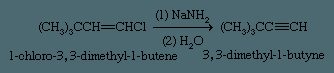
Отримання реагентів Гриньяра з вінілових галогенідів
Старе правило щодо реагентів Гриньяра було простим: отримуйте їх з алкілгалогенідів. В алкілгалогенідах між атомами вуглецю одинарні зв’язки. Ви додаєте магній і отримуєте органомагнієву сполуку. Це працює. Це надійно. Це основа великої кількості органічного синтезу.
Але що щодо вінілових галогенідів? Вони галогени приєднані до атомів вуглецю, що у подвійних зв’язках. Атом вуглецю перебуває у стані $sp^2$-гібридизації. Зв’язок коротший. Вона міцніша. Довгий час хіміки вважали, що магній не реагуватиме. Реакція йшла мляво. Вона тільки-но відбувалася. Або відбувалася настільки повільно, що була марною для практичного синтезу.
Це змінилося. Вінілові галогеніди можуть бути перетворені на реагенти Гриньяра. Ви досі використовуєте магній. Але умови мають значення. Вам може знадобитися інший розчинник. Вам може знадобитися активація. Вам може знадобитися нагрівання. Або вам може знадобитися специфічний каталізатор. Ключом є подолання початкового енергетичного бар’єру. Як тільки утворюється зв’язок вуглець-магній, ситуація повністю змінюється.
Реакції виглядають звично
Ось що цікаво. Як тільки ви отримали вініловий реагент Гриньяра, він поводиться майже так само, як і алкільний реагент Гриньяра. Подвійний зв’язок зберігається у процесі освіти. І зберігається у наступних реакціях.
Ви можете реагувати з карбонільними сполуками. Альдегідами. Кетонів. Залежно від вихідного матеріалу ви отримуєте аллілові або пропаргілові спирти. Ви можете реагувати його зі складними ефірами. З ацилхлоридами. З вуглекислим газом для одержання карбонових кислот. Перетворення функціональних груп є стандартними. Реакційна здатність є стандартною.
Різниця полягає у геометрії продукту. Подвійний зв’язок зберігається. Якщо ви почали з цис-вінілового галогеніду, ви часто зберігаєте цю стереохімію. Якщо транс -вініловий, ви також зберігаєте її. Це не завжди 100%. Може відбуватися деяка ізомеризація. Але, зазвичай, просторове розташування зберігається. Це має велике значення. Це означає, що можна будувати складні молекули з певною формою, не спотворюючи подвійний зв’язок.
Чому це важливо
Стандартні алкільні реагенти Гриньяра утворюють насичені ланцюги. Насичені сполуки – це добре. Але життя сповнене подвійних зв’язків. Жири. Гормони. Феромони. Багато ліків містять подвійні зв’язки. Вам потрібно формувати ці зв’язки із високою точністю.
Якщо ви можете утворювати тільки насичені ланцюги, вам доводиться створювати подвійний зв’язок після утворення зв’язку вуглець-вуглець. Це додає етапи. Це створює відходи. Це знижує вихід.
Вінілові реагенти Гриньяра дозволяють вам спочатку побудувати подвійний зв’язок. Потім ви додаєте решту молекули. Потім у вас є ненасичена структура. Менше за етапи. Вище ефективність. Більше контролю.
Практичні міркування
Не кожен вініловий галогенід поводиться добре. Арилгалогеніди ще складніші. Їм потрібні спеціалізовані каталізатори, такі як нікель або паладій. Але чи вінілові галогеніди? Вони на межі. Вони потребують обережності.
Звичайними розчинниками є тетрагідрофуран (ТГФ) або діетиловий ефір. ТГФ часто краще. Він стабілізує магнієвий комплекс. Вам може знадобитися активувати стружку магнію. Протерти її. Промити. Або додати трохи 1,2-диброметану для

Механізм реакції приєднання
Можна було б очікувати, що подвійний зв’язок розірветься навпіл, а нові атоми рівномірно розподіляться між обома атомами вуглецю. Однак у випадку вінілгалогенідів це не завжди так. Візьмемо реакцію між хлоридом водню та хлоретиленом (вінілхлоридом). Водень приєднується до одного атома вуглецю, а хлор слідує за ним, але не до сусіднього атома. Він приєднується ще й атому вуглецю, у якому вже є хлор.
В результаті виходить 1,1-дихлоретан.
Це гемадігалогенід. Обидва галогенні атоми пов’язані з тим самим атомом вуглецю. Це явище суперечить типовій інтуїції, заснованій на правилах Марковникова або анти-Марковникова, яку ви могли б застосувати до більш простих алкенів, оскільки існуючий галоген радикально змінює електронну щільність та стабільність проміжного карбокатіону. Подвійний зв’язок досі піддається реакції приєднання, але геометрія продукту виявляється відмінною.
Промислове домінування ПВХ
Хімічна поведінка цих сполук – не просто лабораторний курйоз. Воно має величезну економічну вагу. При полімеризації певних вінілгалогенідів виходять матеріали, що визначають сучасну інфраструктуру.
Візьмемо полівінілхлорид, широко відомий як ПВХ. Це не нішевий пластик. Це велетень. За обсягами щорічного виробництва синтетичних полімерів його перевищує лише поліетилен. Це ставить ПВХ на друге місце у світі.
Чому це важливо? Тому що стабільність зв’язку вуглець-хлор у вінільній групі дозволяє створювати полімер, який є довговічним, хімічно стійким та універсальним. Від труб до підлогових покриттів та медичних трубок — той факт, що вінілгалогеніди можна перетворювати на довгі полімерні ланцюги з високим виходом та низькою вартістю, робить їх незамінними. Подвійний зв’язок реагує як з малими молекулами; вона поєднується сама з собою, утворюючи основу багатомільярдної промисловості.
Хімія проста: приєднання зв’язку або зв’язування мономерів. Результати кардинально різняться – один шлях дає вам специфічний прекурсор розчинника, а інший – матеріал, з якого виготовлені стіни вашого будинку.
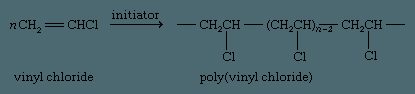
Подивіться на білі ринви, що спускаються по вашому будинку, або на сіру плитку під ногами. Це полівінілхлорид, або ПВХ виконує свою роботу. Він скрізь у житловому будівництві. Ви знаходите його у сайдингу. Ви бачите його у черепиці. Він утворює труби, що відводять воду від вашого будинку, та фітинги, що з’єднують їх. Він довговічний, дешевий та повсюдний.
Потім є харчова плівка у вашому ящику. Зокрема та, яка, здається, прилипає сама до себе більше, ніж до миски. Це саран. Це кополімер. Вчені створили його, змішавши вінілхлорид із вініліденхлоридом (CH2=CCl2). Результатом стала прозора плівка, що прилипає. Це працює завдяки тому, що хімія змінює поверхневі властивості. Вона утримує тепло та вологу. Вона зберігає свіжість продуктів.
Але справжня зірка антипригарної сковороди – це інша речовина.
Фторний захист
Політетрафторетилен, який часто називають просто ПТФЕ, — це зовсім інша речовина. Він починається з тетрафторетилену. Полімеризація створює вуглецевий ланцюг. Але тут є нюанс. Ланцюг несе лише фторні заступники.
Ця структура створює щось особливе. Зв’язки вуглець-фтор міцні. Неймовірно міцні. Вони пручаються руйнуванню під впливом тепла. Вони опираються хімічним атакам. Матеріал щодо інертний. Він вступає у реакції. Він не руйнується легко.
Чому сковороди не прилипають
Ця молекула має й інший бік. Сили тяжіння між фторвуглецевими ланцюгами слабкі. Дуже слабкі. Коли ПТФЕ зустрічається з іншою молекулою, він не хоче утримуватись. Це призводить до низького коефіцієнта тертя.
Подумайте про це. Поверхня, яку нічого не хоче схопити.
Ця властивість робить ПТФЕ ідеальним антипригарним покриттям. Їжа зісковзує. Прибирання швидке. Хімічна структура безпосередньо забезпечує фізичний досвід. Ви не просто готуєте; ви взаємодієте з матеріалом, спроектованим на молекулярному рівні для відштовхування.
Дивно це усвідомлювати. Та ж хімічна стійкість, яка захищає полімер, також робить його марним для зв’язування. Він відмовляється прилипати. І саме тому ми його любимо.
Як довго ці матеріали служитимуть? ПВХ руйнується повільно. ПТФЕ добре тримається доти, доки покриття не зноситься фізично. Але хімія лишається. Зв’язки зберігаються. Фтор захищає вуглець. Вінілові ланцюги з’єднуються разом.
Ми використовуємо ці матеріали щодня, не замислюючись. Ми припускаємо, що вони будуть поводитися так, як очікується. Зазвичай, так і відбувається. Поки що вони не перестають. Тоді ми їх замінюємо.

Несподівана дикість арилгалогенідів
Більшість людей вважає, що галогеновмісні сполуки в природі — це виключно морське явище. Якщо ви знаходите бромсодержащую або багату на хлор молекулу в дикій природі, головним підозрюваним зазвичай виявляється океан. Ця логіка справедлива для алкіл-і вінілгалогенідів. Їхнє походження переважно водне.
Арилгалогеніди порушують цей патерн.
Тут галоген пов’язаний безпосередньо з бензольним кільцем. Ця структурна відмінність створює різноманітний екологічний слід. Ці сполуки трапляються у джерелах, далеких від моря. Вони вплетені у фізіологічні механізми наземного життя.
Візьмемо L-тироксин. Це амінокислота, що містить йод. Щитовидна залоза виділяє його для регуляції метаболізму. Без нього двигун організму сповільнюється до повзання. Протягом століть єдиним способом лікування дефіциту тироксину було його вилучення. Лікарі видобували його безпосередньо із щитовидних залоз тварин. Це було брутальне, біологічно нечисте рішення.
Сьогодні ця практика застаріла. Майже весь L-тироксин, що використовується для лікування хвороб щитовидної залози, є синтетичним. Натуральний варіант був замінений на manufactured точність (виготовлену точність).
Цей зсув важливий, тому що він підкреслює розрив між природним виникненням та медичною корисністю. Природа виробляє ці арилгалогеніди для виживання. Медицина виробляє їх для стабільності та узгодженості. Відкриття того, як ці сполуки функціонують в організмі, не просто спричинило створення ліків; воно призвело до створення ланцюжка поставок, який більше не залежить від органів тварин. Хімія залишається схожою. Джерело змінилося повністю.
Ця еволюція в лікуванні підкреслює ширшу істину про органогалогенні сполуки. Природна присутність не диктує застосування. Йод у вашій таблетці для щитовидної залози, мабуть, ніколи не бачив корови. Він був зібраний у лабораторії, імітуючи молекулу, яку організм дізнається, але більше не видобуває з дикої природи.
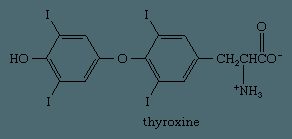
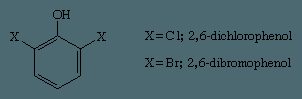
Хімічна мова тваринного світу часто виявляється набагато простішою, ніж ми припускаємо. Візьмемо, наприклад, амблому американську (одиночну зірку), Amblyomma americanum. Вона не покладається на складні коктейлі феромонів залучення партнера. Її основним статевим феромоном є 2,6-дихлорфенол. Одна молекула. Ось і все.
Це різко контрастує з хробаком, * Balanoglossus biminiensis . Цей морський безхребетний виробляє 2,6-дибромфенол *.
Чому це важливо? Тому що це свідчить про загальний еволюційний «короткий шлях». Ці два види розділені величезним еволюційним часом і місцем існування: один є наземним кровососом, інший – морським хордовим. Проте обидва використовують галогенфеноли для розмноження.
Чому проста хімія працює
Феромони зазвичай є видоспецифічними сигналами. Але тут різниця полягає лише в одному атомі. Хлор замість брому. Структура практично ідентична. Функція та сама: знайти партнера.
Це ставить питання про еволюційну консервативність сигнальних шляхів. Чи успадкували ці організми цей хімічний код від загального предка? Чи вони незалежно еволюціонували, щоб використовувати найефективніші з доступних молекул?
Галогенфеноли є рідкістю в природі. Вони зустрічаються у рослин, грибів та морських організмів. Їхня стабільність робить їх ідеальними для сигналізації на великі відстані. Вони швидко не руйнуються. Вони залишаються у навколишньому середовищі.
Ціна простоти
У використання таких простих сигналів є і зворотний бік. Імовірна міжвидова плутанина. Якщо одиночна зірка зустріне популяцію хробаків шлуночників (малоймовірно, але теоретично можливо), сигнали можуть перетинатися. Але в природі ізоляція запобігає цьому. Кліщі залишаються на суші. Хробаки залишаються у бруді.
Проте специфічність низька. 2,6-дихлорфенол може залучати інших комах або павукоподібних, якщо вони мають відповідні рецептори. Система покладається на близькість та тимчасовий фактор, а не лише на хімію.
Що це говорить нам про еволюцію сенсорних систем
Той факт, що такі прості молекули керують критично важливою репродуктивною поведінкою, свідчить про те, що сенсорні системи високо налаштовані певні хімічні особливості. Рецепторам не потрібно розпізнавати цілі молекули. Їм достатньо виявити галогенний патерн.
Ця ефективність є ключовою. Виробництво складних феромонів потребує енергії та генетичного простору. Використання одного стабільного з’єднання є економічним. Це компроміс між специфічністю та простотою.
Наслідки для боротьби зі шкідниками
Розуміння цих феромонів має практичне застосування. Для одиночної зірки 2,6-дихлорфенол може використовуватись у пастках. Замість пестицидів широкого спектра дії ми могли б використовувати цільові приманки. Це знижує вплив на навколишнє середовище та захищає види, які не є мішенями.
Феромон хробака шлуночника менш корисний безпосередньо зараз, але він дає уявлення про динаміку морських екосистем. Якщо ми зможемо маніпулювати цими сигналами, ми зможемо вивчати щільність популяцій, не порушуючи довкілля.
Велика картина
Ми часто думаємо про комунікацію тварин як про щось вишукане. Пісні, танці, покази. Але на молекулярному рівні це часто лише кілька атомів, перебудованих іншим чином. Одиночна зірка та черв’як шлуночник доводять, що простота може бути потужною.
Це змушує нас переглянути, як ми сприймаємо біологічну складність. Чи є витонченість в одному галогензаміщеному кільці? Або це просто хімія
Стійкість синтетичних галогенів
Деякі галогеновані ароматичні сполуки є природними, але вже колонізували довкілля. Вони поширюються. Вони зберігаються. ДДТ — найвідоміший приклад. Його повна назва – 1,1,1-трихлор-2,2-біс(п-хлорфеніл)етан. Скажіть це п’ять разів швидко. Хімія складна. Наслідки прості: ці речовини надовго залишаються.
Ці сполуки синтетичні. Їх не створювали ліси чи океани. Їх сконструювали люди. А потім вони вийшли з-під контролю.
«Синтетичні галогеновані сполуки широко поширилися у навколишньому середовищі, як і раніше, що є природними продуктами».
ДДТ застосовували не лише один раз. Його використовували повсюдно. Він проникав крізь харчові ланцюги. Осідав у ґрунті. Переносився повітряними потоками. Йому були байдужі межі.
Чому галогени важливі для навколишнього середовища
Галогени надають молекулам вагу. Хлор, бром, фтор – ці атоми роблять з’єднання важкими та стабільними. Стабільність корисна для промисловості. Але шкідлива для екосистем. Природні процеси розкладання важко справляються з цими жорсткими структурами. Ферменти, призначені розщеплення органічних речовин, часто відкидають їх. Тому вони накопичуються.
Йдеться не лише про ДДТ. Йдеться про клас хімічних речовин: галогенсодержащих ароматичних сполуках. Вони мають загальний каркас. Вони мають спільну проблему. Вони пручаються розкладу. Вони мандрують на великі відстані. Вони залишаються токсичними.
За межами ДДТ: повсюдний забруднювач
Люди пам’ятають ДДТ. Але не завжди пам’ятають, чому. То справді був пестицид. Він убивав комарів. Він рятував життя від малярії. Він також убивав птахів. Орлів. Сапсанів. Їхні яйця витончилися. Шкаралупа пташенят, що вилупилися, ставала крихкою. Чисельність популяцій різко падала.
Рейчел Карсон писала про це. «Безмовна весна». 1962 рік. Вона не винаходила науку. Вона переклала її зрозумілою мовою. Вона зробила проблему видимою. І світ відреагував. ДДТ заборонили у багатьох країнах. Але хімічна речовина не зникла. Воно зберігається. Період напіврозпаду у ґрунті може досягати десятиліть. Відкладення діють як стоки. Біота діє як переносник.
Більш широкий контекст
Не всі галогеновані ароматичні сполуки є пестицидами. Деякі є розчинниками. Деякі – антипіренами. Деякі – проміжними продуктами у виробництві. Всі вони мають загальні властивості: гідрофобність, ліпофільність, стійкість до деградації. Вони біоакумулюються. Вони біонакопичуються. Вони виявляються у грудному молоці. У рибі. У крові людини.
Питання не в тому, чи вони існують. Вони є. Питання, як ми керуємо спадковим забрудненням. Як контролюємо нові з’єднання. Як ми розробляємо альтернативи, що не зберігаються вічно.
Наука знає механізми. Інженерія знає про проблеми. Політика знає прецеденти. Використання відстає.
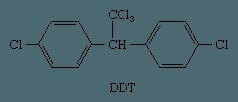
ДДТ не просто з’явився у 1940-х роках; він їх завоював. На короткий, блискучий момент він став «срібною кулею» як сільського господарства, так громадського охорони здоров’я. Фермери покладалися на нього, щоби підвищити врожайність. Лікарі використовували його, щоб різко знизити рівень захворюваності на малярію. Пауль Мюллер, швейцарський хімік, який синтезував цю речовину, отримав Нобелівську премію в 1948 році, справедливо відзначивши поєднання, яке, здавалося, давало безмежний контроль над найдрібнішими шкідниками природи.
Привабливість була простою. ДДТ є стійким.
Це ввічливий науковий термін, що означає “він відмовляється зникати”. Природні процеси розкладають його настільки повільно, що він зберігається в навколишньому середовищі набагато довше, ніж забирається балончик з розпилювачем. Він працює. Він лишається. Він перемагає.
Але у природи довга пам’ять та повільна помста.
До 1960-х років тріщини у міфі про ДДТ ставали неможливими для ігнорування. Рейчел Карсон у своїй книзі «Безмовна весна» висвітлила цю проблему, але дані розповідали похмуру історію. Хімічна речовина накопичувалася у жирових тканинах. Риби поглинали його. Птахи поїдали рибу. Хижаки поїдали птахів. Концентрація ДДТ не просто залишалася незмінною; вона посилювалася, піднімаючись харчовим ланцюгом, поки вищі хижаки не опинилися в токсичному супі.
Результатом стала катастрофа для дикої природи. Яєчні шкаралупи ставали тендітними і розбивалися під вагою квочка. Репродуктивні системи давали збій. Птахи перестали ефективно розмножуватись.
Люди теж не були у безпеці. Хоча зв’язок з раком людини залишався предметом суперечок, потенційна шкода була занадто великою, щоб її ігнорувати. Тим часом, комахи робили те, що вміють найкраще: вони адаптувалися. Стійкість поширювалася. Срібна куля дала осічку.
1972 року Агентство з охорони навколишнього середовища США (EPA) припинило використання ДДТ. Було введено практично повну заборону його застосування. То справді був знаковий момент, визнання те, що короткострокові вигоди можуть обернутися довгостроковими і незворотними витратами.
Темна тінь: поява діоксину
Якщо ДДТ був лиходієм 20-го століття, його двоюрідний брат — лиходій 21-го.
У навколишньому середовищі поширена друга хлорвмісна ароматична сполука: 2,3,7,8-тетрахлордибензо-п-діоксин. Вчені знають його краще як діоксин.
На відміну від ДДТ, який навмисне вироблявся для конкретних цілей, діоксин в основному є побічним продуктом. Він утворюється у процесах горіння, спалювання відходів і навіть деяких промислових хімічних реакціях. Це не інструмент, який ми купували з полиці; це забруднювач, якого ми могли уникнути.
Структура діоксину робить його практично ідентичним гормональним сигналам у нашому організмі. Він імітує естроген. Він порушує ендокринну функцію. І, як і ДДТ, він є стійким. Він зв’язується із жиром. Він зберігається.
Небезпека полягає у його могутності. Діоксин токсичний у концентраціях лише на рівні частин на трильйон. Крихітна кількість може завдати значної шкоди. Він пов’язаний з хлоракне, важким шкірним захворюванням, і вважається відомим канцерогеном для людини. Він впливає на імунну систему, репродуктивне здоров’я та розвиток плодів.
Чому це важливо зараз
Ми заборонили ДДТ. Ми регулювали діоксин. Але історію не закінчено.
Ці сполуки є
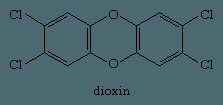
Ми не виробляємо діоксину, тому що хочемо цього. Це «примара» в машині, небажана тінь, яку ми залишаємо, коли ми намагаємося займатися іншими справами. Його можна виявити у процесі синтезу гербіциду 2,4,5-трихлорфеноксиоцтової кислоти (2,4,5-Т). Він з’являється у паперовій промисловості, виникаючи внаслідок процесів відбілювання з використанням хлору, що знебарвлюють волокна. Він утворюється щоразу, коли органічні речовини горять у присутності хлоридів. Подумайте про лісові пожежі. Подумайте про сміттєспалювальні заводи.
Це стабільна молекула. У цьому полягає проблема. Вона не розкладається. Вона накопичується у ґрунті, у воді, у жировій тканині живих організмів. І вона вкрай небезпечна. На тестових тваринах вона виявляє канцерогенні властивості. Вона є тератоген. Вона спричиняє вроджені дефекти. Через свою високу токсичність нам довелося провести чіткий кордон. Було введено регулюючі заходи, щоб зупинити поширення забруднення та обмежити подальше забруднення. Але збитки вже було завдано.
Потім йдуть ПХБ. Поліхлоровані біфеніли. Група арілгалогенідів, які колись забезпечували роботу нашого сучасного світу. Ми виробляли їх у величезних кількостях. Ми використовували їх як теплоносії. Ми заливали їх у трансформатори та електричні ізолятори. Вони були стабільними. Вони були надійними.
Вони також були екологічними катастрофами, які чекали свого часу. Ті ж проблеми, які переслідували ДДТ та діоксини, супроводжували ПХБ усюди. Вони біоакумулювалися. Вони піднімалися харчовим ланцюгом. Тому в 1979 році Агентство з охорони навколишнього середовища США (EPA) провело свій власний кордон. Виробництво ПХБ було заборонено. Але ці речовини досі там. Поховані на звалищах. Знаходяться у старих будинках. Чекаючи, поки почнуть вимиватися.
Як ми отримуємо арилгалогеніди
Якщо ви хочете зрозуміти природу забруднення, необхідно звернутися до хімії. Як ми отримуємо ці молекули? Існує два основні способи одержання арилгалогенідів. Один із них заснований на безпосередньому впливі на ароматичне кільце. Інший використовує солі діазонію як проміжний ланки.
Шлях галогенування
Перший спосіб є прямим. Ви берете поєднання з ароматичним кільцем. Бензол, толуол, що завгодно. Ви обробляєте його хлором чи бромом. Але ви не можете просто змішати їх. Потрібен каталізатор. Зазвичай це залізо (Fe) або галогенід заліза (III) (FeX3).
Реакція є електрофільним ароматичним заміщенням. Звучить технічно складно. Так воно й є. Але механізм досить простий. Каталізатор допомагає згенерувати потужний електрофіл. Цей електрофіл атакує електронно-насичене кільце. Один із атомів водню на кільці витісняється. На його місце входить галоген.
Це заміщення. Обмін. Але у випадку з діоксинами та ПХБ це обмін, у результаті якого утворюється речовина набагато стійкіша, ніж вихідний матеріал. Ми створювали стабільні промислові «робочі коні». У результаті ми створили екологічні отрути, що зберігаються десятиліттями. Хімія спрацювала саме так, як замислювалося. Результат же виявився іншим.
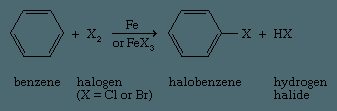
Більшість ароматичних кілець уперті. Вони пручаються реакцій, якщо не примушувати до них з допомогою каталізатора. Проте похідні фенолу та аніліну порушують ці правила. Ці сполуки мають високу реакційну здатність. Вони піддаються галогенуванню швидко. Ароматичне кільце захоплює галогени навіть без каталізатора. Це не повільний процес. Він відбувається швидко.
Бензин розповідає іншу історію. Реакція бензину із фтором хаотична. Її важко контролювати. В результаті виходить суміш поліфторованих похідних циклогексану. Формула зміщується у бік C6H12. Щоб повернутися до ароматичного бензинового кільця, необхідно відщепити фторівник. Сильні підстави допомагають прискорити цю дегідрофторування.
Йодування – ще один головний біль. Пряме йодування ароматичних кілець трапляється рідко. Воно потребує спеціалізованих реагентів, які більшість лабораторій не використовують щодня. Хімія просто не сприяє простому шляху.
Зв’язок діазонію з арилгалогенідами
Існує найкращий спосіб введення галогенів у бензинове кільце. Все починається з арилдіазонієвих іонів. Це структури ArN+≡N. Ar означає ароматичне кільце. Вони є надзвичайно корисними вихідними матеріалами. Чому? Тому що вони відчиняють двері до арилгалогенідів, фенолів та нітрилів. Все з одного проміжного з’єднання.
Як їх одержати? Починають із первинного ароматичного аміну. Його формула – ArNH2. Обробляють його азотистою кислотою, HNO2. Цей процес називається діазотуванням.
Насправді зазвичай не отримують HNO2 у пляшці. Вона нестабільна. Натомість додають нітрит натрію (NaNO2) в кислий водний розчин, що містить амін. Кислота перетворює нітрит на азотисту кислоту in situ. Реакція протікає за низьких температур. Результатом є сіль діазонію.
Цей проміжний продукт є поворотним моментом. Він перетворює простий амін на універсальний прекурсор для галогенідів, фенолів чи нітрилів.
Стабільність цих іонів має значення. Вони стабільні лише у холодній кислій воді. Нагрійте їх, і вони розкладуться. Замініть діазонієву групу на гідроксильну, і ви отримаєте фенол. Замініть її на галоген, і ви отримаєте арілгалогенід. Універсальність – ось чому хіміки покладаються на них, незважаючи на складність.
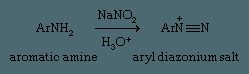
Перетворення солей діазонію на галогеніди
Як тільки ви отримали іон арилдіазонії, готовий до реакції, починається справжня робота. Ви не залишаєте групу діазонію; ви замінюєте її. Мета полягає в тому, щоб замінити цей нестабільний фрагмент азоту на щось корисніше, наприклад, хлор або бром.
Для отримання хлоридів та бромідів ключовими факторами є нагрівання та мідь. Ви нагріваєте сіль діазонію у присутності солі міді(I). Мідь виступає у ролі каталізатора, що забезпечує заміщення. Це реакція Санмейєра – старий, але ефективний метод. Нагрів забезпечує енергію для розриву зв’язку вуглець-азот, а галогенід міді надає атом галогену для заповнення вакансії, що утворилася.
Йодіди – справа інша. Вони простіші. Для них не потрібні мідний каталізатор або високий нагрів. Досить просто додати йодид калію в розчин, що містить арилдіазонієвий іон. Йодід-іон є досить сильним нуклеофілом, щоб витіснити газоподібний азот безпосередньо. Реакція протікає легко, часто за кімнатної температури.
Ключова відмінність полягає у механізмі. Для хлоридів та бромідів потрібні мідний каталізатор та нагрівання. Для йодидів – ні.
Цей метод дозволяє точно контролювати, який галоген виявиться на ароматичному кільці. Ви можете вибирати залежно від того, що потрібно для наступного етапу синтезу. Хлорид міді(I) для хлоридів. Бромід міді(I) для бромідів. Йодід калію для йодидів. Сіль діазонію служить лише вхідними воротами.
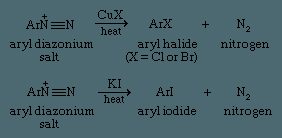
Реакція Бальца-Шимана: пояснення
Ви не можете просто замінити атом хлору або брому на фтор у бензольному кільці за допомогою стандартної нуклеофільної заміщення. Фтор занадто електронегативний, а зв’язок вуглець-фтор занадто міцний, щоб типові реакції заміщення протікали легко. Тому хіміки використовують обхідний шлях. Він старий, надійний і є основним способом отримання арілфторидів в лабораторії.
Процес починається з первинного ароматичного аміну. Його обробляють азотистою кислотою при низьких температурах зазвичай близько 0°C. Це перетворює амін на арилдіазонієвий іон. Сам собою він нестабільний. Якщо його нагріти, він виділяє газоподібний азот та утворює реактивний карбокатіон, що призводить до утворення побічних продуктів. Нам потрібний фтор, а не гідроксильна група чи водень.
Тому додають тетрафторборат натрію. Діалзонієвий іон зв’язується з аніоном тетрафторборату, утворюючи сіль арилдіазонію тетрафторборату. Ця сіль є твердою речовиною. Вона досить стабільна для виділення та сушіння. Її можна відфільтрувати, промити та зберігати за потреби. Цей етап виділення є ключовим.
Потім слідує нагрівання. Цю суху сіль нагрівають, часто в інертному розчиннику, такому як нітробензол, або просто піролізу. Комплекс розкладається. Газоподібний азот випаровується. Атом фтору залишається, приєднуючись до кільця. Залишки бору відщеплюються як побічних продуктів — борної кислоти чи трифториду бору. На виході виходить ваш Арілфторид.
Цей конкретний метод відомий як реакція Бальца-Шимана. Названа на честь хіміків, які відкрили її на початку 1900-х років, є стандартом для введення фтору в ароматичні системи. Чому це важливо? Арілфториди повсюдно зустрічаються. Вони містяться у фармацевтичних препаратах, агрохімікатах та передових матеріалах. Введення фтору може змінити метаболізм ліків, збільшуючи час його перебування в організмі. Це може змінити оптичні властивості полімеру. Це може зробити розчинник більш стійким до розкладання.
Підступ полягає в нагріванні. Деякі з цих солей чутливі до удару сухому вигляді. Необхідно виявляти обережність. Крім того, вихід продукту варіюється в залежності від заступників у кільці. Електроноакцепторні групи допомагають стабілізувати проміжне з’єднання, але можуть ускладнити остаточне розкладання. Електронодонорні групи можуть ускладнити початкову діазотування.
Сьогодні це не єдиний спосіб фторування ароматичних сполук. Нові методи використовують електрофільні фторувальні агенти або каталіз перехідними металами. Але реакція Бальца-Шимана залишається робочим конем. Вона пряма. Вона використовує дешеві вихідні матеріали. І вона справляється зі своїм завданням, коли вам потрібний зв’язок вуглець-фтор у бензольному кільці.
Механізм включає утворення діазонієвого катіону, координацію з BF4-, а потім узгоджене або ступінчасте розкладання, при якому розривається зв’язок C-N і утворюється зв’язок C-F. Ідучою групою є N2. Це відмінна група, що йде. Вона рухає реакцію наперед.
Так що, якщо ви розглядаєте молекулу з фтором в ароматичному кільці, подумайте про арилдіазоній тетрафторборат
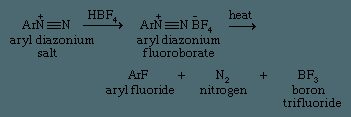
Атоми галогенів, приєднані до бензольного кільця, оманливі. Вони виступають як активні учасники хімічних реакцій, і приховані диригенти, визначальні місця, де ці реакції відбуваються. Ця подвійна роль має вирішальне значення у електрофільному ароматичному заміщенні — основному механізмі модифікації ароматичних сполук.
Коли галоген вже входить до складу кільця, він повністю змінює правила гри. Він не просто перебуває там. Він відтягує він електрони. Ця деактивація робить кільце менш реакційним порівняно зі звичайним бензолом. Молекулу стає складніше атакувати. Але ось у чому каверза.
Незважаючи на те, що галогени послаблюють кільце, вони направляють нові групи до певних положень. Вони змушують вхідні заступники орієнтуватися на орто – та пара -положення.
Ефект орто-пара напряму
Чому це відбувається? Вся справа в електронній щільності та стабільності.
Галогени електронегативні. Вони відтягують електронну густину від кільця за рахунок індуктивного ефекту. Це, як правило, уповільнює будь-які реакції, що вимагають багатої електронами мішені. Саме тому арілгалогеніди деактивовані. Вони чинять більший опір електрофілам, ніж бензол.
Однак галогени також володіють неподіленими електронними парами. Ці пари можуть віддавати електронну щільність назад у кільце через резонанс. Ця донорна здатність вибіркова. Вона стабілізує проміжний карбокатіон, що утворюється при атаці електрофіла на орто- або пара-положення. Вона не стабілізує мета-становище.
Таким чином, реакція загалом протікає повільніше. Але коли вона все ж таки відбувається, переважними стають ті положення, де неподілені пари галогену можуть забезпечити найбільшу стабільність.
Галогени деактивують кільце через індуктивний ефект, але направляють заступники в орто-і пара-положення через резонанс.
Практичні наслідки для синтезу
Ця поведінка має значення при побудові складних молекул. Якщо потрібно додати групу до галогенованого бензолу, не можна припускати випадкового розміщення. Галоген діє як регулювальник руху.
- Деактивація : Реакція потребує більш жорстких умов, ніж із незаміщеним бензолом. Часто потрібні вищі температури або сильніші каталізатори.
- Регіоселективність : Ви отримаєте суміш орто- та пара-продуктів. Пара-продукт часто кращий через менший стеричний hindrance (перешкоди), але орто-продукт також присутній у значній кількості.
Ця передбачуваність дозволяє хімікам впевнено планувати багатостадійні синтези. Можна додати галоген, використовувати його для направлення наступної групи, а потім потенційно видалити або трансформувати галоген пізніше. Це стратегічний інструмент, а чи не просто пасивна особливість.
Порівняння ефектів галогенів
Не всі галогени поводяться ідентично. Їх розмір та електронегативність різняться.
- Фтор : Висока електронегативність. Сильна деактивація. Сильна резонансна донорна здатність завдяки гарному перекриванню орбіталей.
- Хлор : Помірна електронегативність. Помірна деактивація. Хороша донорна резонансна здатність.
- Бром : Менш електронегативний, ніж хлор. Досі деактивує. Більш слабка резонансна донорна здатність, ніж у фтору або хлору, через більший розмір та гірше перекриття орбіталей.
- Йод : Найменш електронегативний. Все ще деактивує за рахунок індуктивного ефекту, але резонансні ефекти weakest (найменше виражені).
Попри ці відмінності, закономірність зберігається. Всі вони деактивують кільце по відношенню до електрофільного ароматичного заміщення. Всі вони направляють заступники в орто-і пара-положення. Ступінь деактивації та співвідношення орто-к
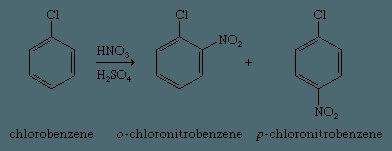
Арилгалогеніди важко використовувати. При розгляді їх як функціональних груп вони опираються атаці. Вони набагато менш реакційні, ніж їх алкільні аналоги. Фактично, їхня поведінка більше нагадує поведінку вінілгалогенідів, ніж насичених ланцюгів. Не можна просто замінити галоген на нуклеофіл і очікувати на швидкий результат. Кільце тримається міцно.
Існує один виняток. Нуклеофільне ароматичне заміщення стає життєздатним синтетичним інструментом лише за певних умов. Арилгалогеніду потрібна допомога. Він повинен нести електроноакцепторний заступник. Наприклад, нітрогрупу ($ NO_2 $). Ця група відтягує електронну густину від кільця. Саме послаблення ароматичної системи є ключовим.
Де має бути цей заступник? Він повинен бути в орто – або пара -положенні щодо галогену. Мета -положення не підійде. Геометрія має значення тому, що електроноакцепторний ефект стабілізує проміжний негативний заряд, що утворюється в ході реакції. Без цієї стабілізації шлях реакції заблоковано.
Розглянемо 1-хлор-4-нітробензол. Ця молекула працює. Нітрогрупа знаходиться в парах-положенні до хлору. Кільце досить електронодефіцитне, щоб залучити нуклеофіл. Хлор іде. Відбувається заміщення. Це практична та передбачувана реакція.
Нуклеофільне ароматичне заміщення є практичною синтетичною реакцією тільки тоді, коли арилгалогенід несе сильно електроноакцепторний замісник, такий як нітрогрупа ($NO_2$), у положенні орто або пара щодо галогену.
Без цього електроноакцепторного партнера бензольне кільце залишається надто стабільним. Потрібно дуже багато енергії, щоб порушити ароматичність, навіть тимчасово. Нуклеофіл відскакує. Реакція завмирає.
Таким чином, якщо ви плануєте синтез, що включає арилгалогеніди, спочатку перевірте своїх заступників. Чи є поряд сильний електроноакцептор? Чи він у правильному положенні? Якщо ні, ви можете гнатися за примарою. Але якщо правильно розташувати його, у вас з’явиться потужний спосіб модифікації ароматичних кілець.
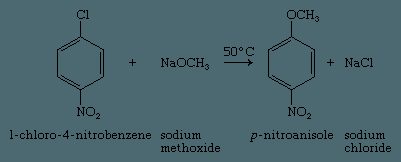
Чому додаткові нітрогрупи багаторазово підвищують реакційну здатність
Додавання додаткових нітрогруп до арилгалогеніду призводить не просто до невеликого збільшення реакційної здатності, а її вибухового зростання. Розглянемо 1-хлор-2,4-динітробензол порівняно з більш простим аналогом, 1-хлор-4-нітробензолом. При поміщенні їх у метоксид натрію в метанолі при помірній температурі 50 °C (120 °F) динітропохідне реагує більш ніж у 30 000 разів швидше. Це не незначне покращення, а колосальна структурна перевага.
Наявність електроноакцепторної нітрогрупи полегшує початкову атаку, перетворюючи повільний процес на швидкий.
Двоетапний процес: приєднання перед елімінуванням
Як це відбувається? Механізм нуклеофільного ароматичного заміщення у цих нітровмісних галогенідів, ймовірно, слід певної послідовності. Нуклеофіл не чекає, поки піде галогенід. Він атакує першим.
Нуклеофіл приєднується безпосередньо до ароматичного кільця на етапі, що передує відщепленню галогенід-відходить групи. Це є ключовим відхиленням від стандартної логіки елімінування. Електроноакцепторна нітрогрупа робить це приєднання можливим. Вона відтягує він електронну щільність, роблячи атоми вуглецю в кільці вразливішими для атаки.
Після утворення зв’язку з нуклеофілом утворюється негативно заряджений інтермедіат. Цей інтермедіат нестабільний. Він швидко відщеплює галогенід-іон. У результаті утворюється спостережуваний продукт. Здатність нітрогрупи стабілізувати негативний заряд інтермедіаті є рушійною силою всього процесу.
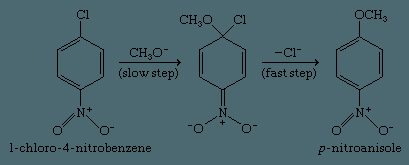
Більшість органічних хіміків очікують, що швидкості реакцій корелюватимуть із міцністю зв’язків. Розірвіть слабший зв’язок – реакція піде швидше. Розірвіть міцнішу — повільніше. Ця логіка працює для стандартних алкілгалогенідів. Але вона повністю руйнується, коли ви дивитеся на арілгалогеніди.
Дані суперечливі. Хлориди, броміди та йодиди реагують з майже однаковою швидкістю. Якби розрив зв’язку був лімітуючою стадією, ці швидкості мали б сильно відрізнятися. Але це не відбувається. Така послідовність вказує на те, що вуглець галогенний зв’язок не розривається на повільній стадії. Вона залишається цілою, доки справжня «драма» відбувається в іншому місці.
Фторид – виняток. Він реагує набагато швидше за своїх важчих побратимів. Чому? Тому що фтор має високу електронегативність. Він притягує електрони, стабілізуючи негативно заряджений проміжний продукт, що утворюється на стадії, що лімітує. Інші галогени не можуть забезпечити таку ж стабілізацію. Тому фторвмісне з’єднання обганяє інші.
Але навіть швидкий арилфторид повільніший за свої алкільні аналоги. Спробуйте перетворити хлорбензол на фенол за допомогою гідроксиду натрію. Ви не зможете зробити це в колбі за кімнатної температури. Потрібний нагрів. Екстремальне нагрівання. Близько 350 ° C (660 ° F) – це базовий рівень.
За таких температур старі правила нуклеофільного заміщення більше не діють. Механізм змінюється. Він відмовляється від моделі прямої атаки на користь двоетапного процесу, що включає елімінування та приєднання.
Спочатку протон та галоген залишають молекулу. Кільце стягується, утворюючи формальний потрійний зв’язок. Це створює проміжний продукт бензину. Він має високу енергію. Він нестабільний. Саме те, що потрібно проштовхнути реакцію вперед.
Потім атакує гідроксид-іон. Він нічого не витісняє. Він приєднується з потрійного зв’язку. За ним слідує протон. Потрійний зв’язок розривається. Ароматичне кільце відновлюється, але тепер із гідроксильною групою замість галогену.
Вуглецевий галогенний зв’язок залишається цілим на повільній стадії, поки проміжний продукт бензин не змушує реакцію йти далі.
Це не просто академічний інтерес. Це пояснює, чому прості арилгалогеніди завзято інертні у стандартних умовах. Ви не можете просто замінити галоген на гідроксильну групу легким збовтуванням та додаванням основи. Потрібно тимчасово порушити ароматичну стабільність. Потрібно побудувати цей потрійний зв’язок. Потрібний нагрівання, щоб подолати енергетичний бар’єр.
Шлях через бензин це обхідний маневр. Запеклий захід. Спосіб обійти електронну перешкоду, яку створює сусідня стабільність фтору для інших.
Це ставить питання: якщо зв’язок не розривається рано, що саме утримує обручку цілим досить довго, щоб відбулося елімінування? Відповідь криється в енергії резонансу, яка робить ароматичність такою цінною спочатку. Порушіть її і доведеться платити ціну. Платіть при 350 °C або платіть стабілізуючою силою фтору. В органічній хімії немає безкоштовного обіду.
Проміжний продукт бензин швидкоплинний. Він зникає відразу, як тільки нуклеофіл атакує. Але в цю частку секунди молекула радикально відрізняється від того, чим вона була спочатку. Потрійний зв’язок – це привид. Вона не залишає сліду в кінцевому продукті, тільки в дорозі, якою був пройдений процес.
І все ж, навіть
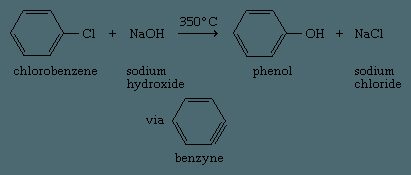
Прихована реакційна здатність арилгалогенідів
При змішуванні арилгалогенідів із сильними основами реакція не обмежується простим заміщенням. Вона заходить глибше. Механізм часто включає бензиноподібні інтермедіати, науково звані аринами. Це короткочасні структури з високою енергією, які пояснюють, чому певні арилгалогеніди поводяться настільки непередбачувано у лужних умовах. Вони є прихованим двигуном багатьох складних перетворень, які стандартні підручники можуть забувати.
Але є й зовсім інший шлях. Більш традиційний та надійний маршрут включає використання магнію.
Перетворення галогенідів на органомагнієві сполуки
Арилгалогеніди, особливо броміди та йодиди, вступають у пряму реакцію з металевим магнієм. У результаті утворюються реактиви Гриньяра, що хімічно визначаються як ArMgX. Це не просто незначна зміна. Воно фундаментально змінює поведінку молекули.
Ці арилмагнійгалогеніди не є унікальними в масштабах органомагнієвої хімії. Їхня реакційна здатність дзеркально відображає реакційну здатність їх алкільних аналогів. Якщо ви вмієте працювати з алкілмагнійгалогенідами, ви вже знаєте основи арильного варіанта. Області застосування схожі. Хімія паралельна. Ключова відмінність полягає у стабільності та конкретних ароматичних кільцях, але основний механізм залишається узгодженим для обох типів.