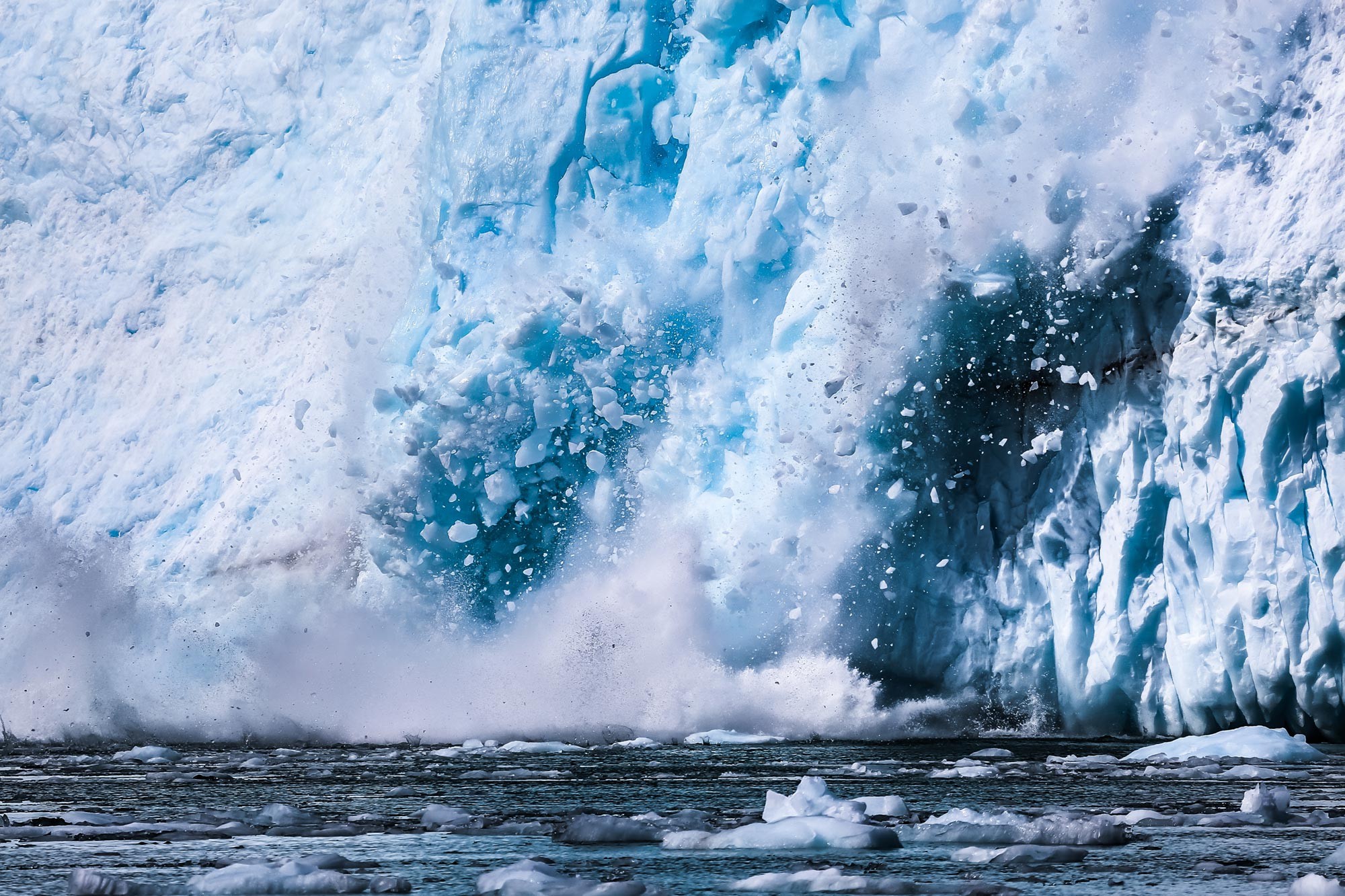
Key Takeaway: For the first time, scientists have confirmed that warm deep ocean water is actively shifting toward Antarctica. This trend, previously only predicted by climate models, threatens to destabilize ice shelves and accelerate global sea-level rise.
The Invisible Threat Beneath the Ice
A comprehensive analysis of four decades of ocean data has revealed a troubling shift in the Southern Ocean: warm, deep water is creeping closer to the Antarctic continent. This movement poses a direct threat to the stability of Antarctic ice shelves, which act as critical barriers slowing the flow of inland glaciers into the sea.
The study, led by researchers from the University of Cambridge and the University of California, combines historical ship-based measurements with modern data from autonomous robotic floats. The findings indicate that Circumpolar Deep Water (CDW) —a layer of relatively warm water that circulates around Antarctica—has both expanded in volume and migrated toward the continental shelf over the past 20 years.
“It’s concerning because this warm water can flow beneath Antarctic ice shelves, melting them from below and destabilizing them,” said Joshua Lanham, lead author of the study from Cambridge’s Department of Earth Sciences.
Why This Matters: The “Hot Tap” Effect
To understand the gravity of this discovery, one must look at the role of ice shelves. These floating platforms of ice do not contribute directly to sea-level rise when they melt, as they are already displacing water. However, they function as brakes for the massive glaciers behind them. If the shelves collapse or thin significantly, glaciers can surge into the ocean unchecked.
The ice sheets surrounding Antarctica hold enough freshwater to raise global sea levels by approximately 58 meters (190 feet). While such a total collapse is not imminent, even partial destabilization could accelerate sea-level rise for centuries.
Professor Sarah Purkey of Scripps Institution of Oceanography offered a stark analogy for the changing conditions:
“In the past, the ice sheets were protected by a bath of cold water, preventing them from melting. Now it looks like the ocean’s circulation has changed, and it’s almost like someone turned on the hot tap and now the bath is getting warmer!”
This warming is not an anomaly but a consequence of global heating. More than 90% of excess heat trapped by greenhouse gases is absorbed by the oceans, with the Southern Ocean taking a significant share.
Bridging the Data Gap
For years, scientists suspected this trend but lacked the evidence to confirm it. Historical data from research vessels provided high-quality snapshots of temperature and salinity but were infrequent—often conducted only once every decade. This created significant gaps in understanding long-term changes in heat distribution.
To solve this, the research team employed machine learning to merge two distinct datasets:
1. Long-term ship surveys: Detailed but sparse historical records.
2. Argo floats: A global network of autonomous robots that drift through the upper ocean, providing continuous, frequent measurements.
By combining these sources, the team created a continuous monthly record spanning 40 years. This allowed them to detect the gradual, subtle migration of warm water that individual snapshots had missed.
A Global Climate Signal
The implications of this shift extend far beyond Antarctica. The Southern Ocean is a linchpin in the global climate system, regulating heat and carbon storage. It plays a crucial role in driving the global ocean conveyor belt, a circulation system that moves water—and heat—around the planet.
In polar regions, cold, dense water sinks to the deep ocean, powering this circulation. However, as the ocean warms and ice melts, adding freshwater to the surface, the formation of this dense water is disrupted.
- In the North Atlantic: Climate models have long predicted that reduced formation of dense water could weaken the Atlantic Meridional Overturning Circulation (AMOC).
- In the Southern Ocean: Similar patterns are now emerging. The reduction in cold, dense water formation near Antarctica allows warmer Circumpolar Deep Water to move in and fill the void.
“We can now see this scenario is already emerging in the observations,” said Lanham. “This isn’t just a possible future scenario suggested by models; it’s something that is happening now, bringing wider implications for how carbon, nutrients, and heat are cycled through the global ocean.”
Conclusion
This study marks a pivotal moment in climate science, transforming theoretical predictions into observed reality. The movement of warm deep water toward Antarctica confirms that the ocean’s circulation patterns are already shifting in response to global warming. As these changes accelerate, they threaten to destabilize ice shelves, alter global carbon cycles, and contribute to rising sea levels, underscoring the urgent need for continued monitoring and climate action.